Birding in Northumberland: sites, seasons and what's flying now
Northumberland has the Farne Islands, the only roseate terns in the UK and a goose that commutes from Svalbard to Holy Island. It also has a North Sea wind that goes straight through a fleece. Here's where to go and when, from a North East family with two small kids and one pair of binoculars.
Birdwatching in Northumberland is at its best on the coast. The Farne Islands, reached by boat from Seahouses, hold around 43,000 pairs of puffins plus Arctic terns, guillemots, razorbills, shags and eiders from May to July, with landings on Inner Farne from April to September, and around 3,000 grey seal pups are born there each autumn. Coquet Island, seen from Puffin Cruises boats out of Amble, is the only place in the UK where roseate terns breed. In winter Lindisfarne National Nature Reserve is the only regular British wintering site for light-bellied brent geese, and the Druridge Bay reserves (Hauxley, East Chevington, Druridge Pools and Cresswell Pond) are good all year. Inland, ospreys have nested at Kielder since 2009 and are watched on a live nest camera at Tower Knowe from April to mid August.
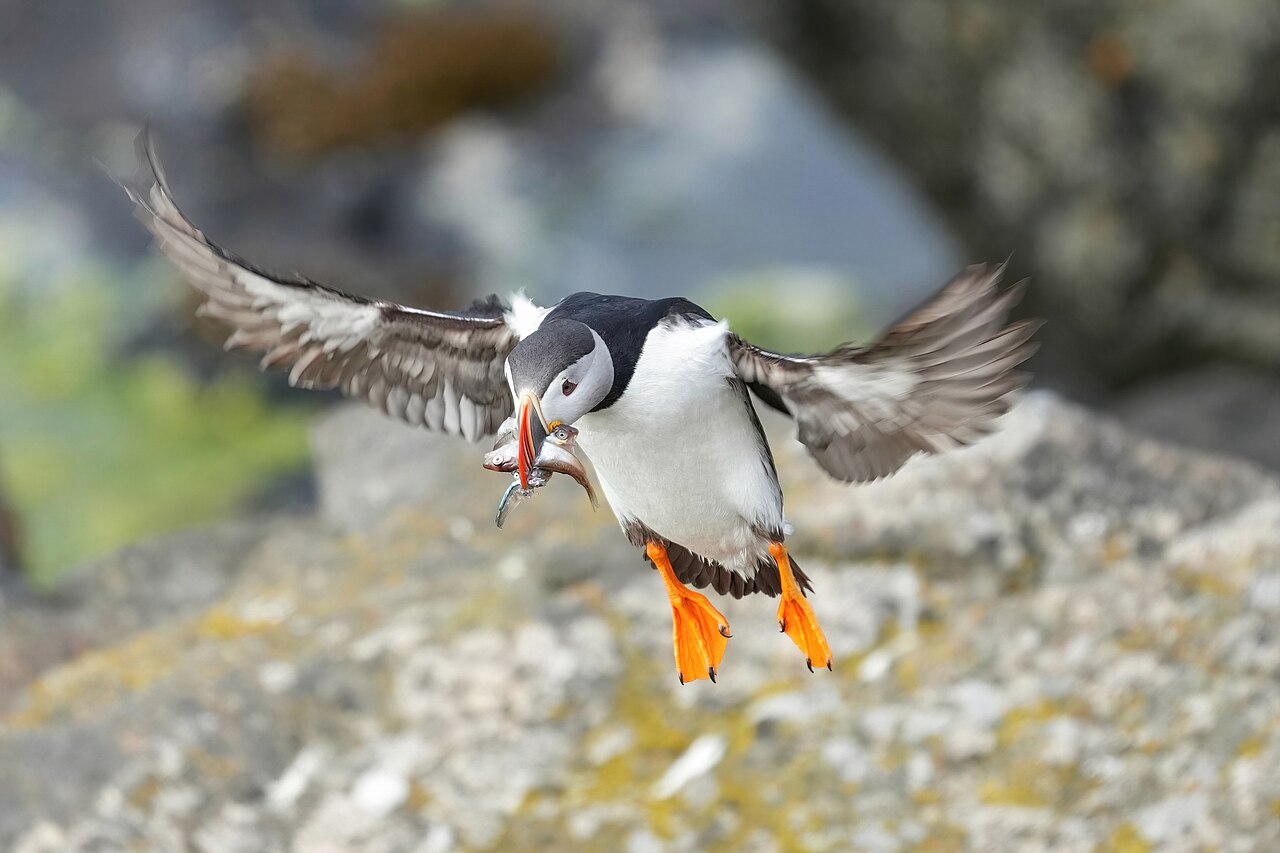
Birdwatching in Northumberland does the thing most birding places only promise. You get on a small boat at Seahouses, it smells of diesel and chips, and not long after there are puffins everywhere; the National Trust counts around 43,000 pairs on the Farnes. Down the coast at Amble a one hour boat goes round Coquet Island, the only place in the UK where roseate terns breed. In winter the light-bellied brent geese fly in from Svalbard to Holy Island, their only regular wintering site in Britain, and inland there are ospreys at Kielder and curlews bubbling over the Cheviots.
Now the honest bit. The puffins are a May to July thing and most have left by the start of August, so an August puffin trip is mostly a boat trip. You can't land on Coquet at all, Staple Island is currently closed to visitors, and Inner Farne landings stop at the end of September. Seal pups come in late autumn, when it's boats only and the North Sea gets the final say. And Holy Island is cut off by the tide twice a day, so the council's crossing times matter more than the bird list. A boat in a swell after a sausage roll is its own kind of wildlife experience.
So, this page. The month strip says what's about now. The site finder has all 35 places on a map, filters for area, habitat and bird, and sorts by distance from where you're stood. The species gallery has 63 birds with a tick box each, and the ticks stay on your phone. Check the boat before the Farnes and the crossing times before Holy Island.
What's about this month. Pick a month and the strip gives you the headline birds, where to go and the honest warning about wind, tides or boats that comes with them.
January
Brent geese, sea ducks and rocky-shore waders
Midwinter, and the north coast is full: brent geese from Svalbard on the Lindisfarne flats with the wigeon, sea ducks off Holy Island, purple sandpipers on the rocks at high tide. Crossing times first, then a hat.
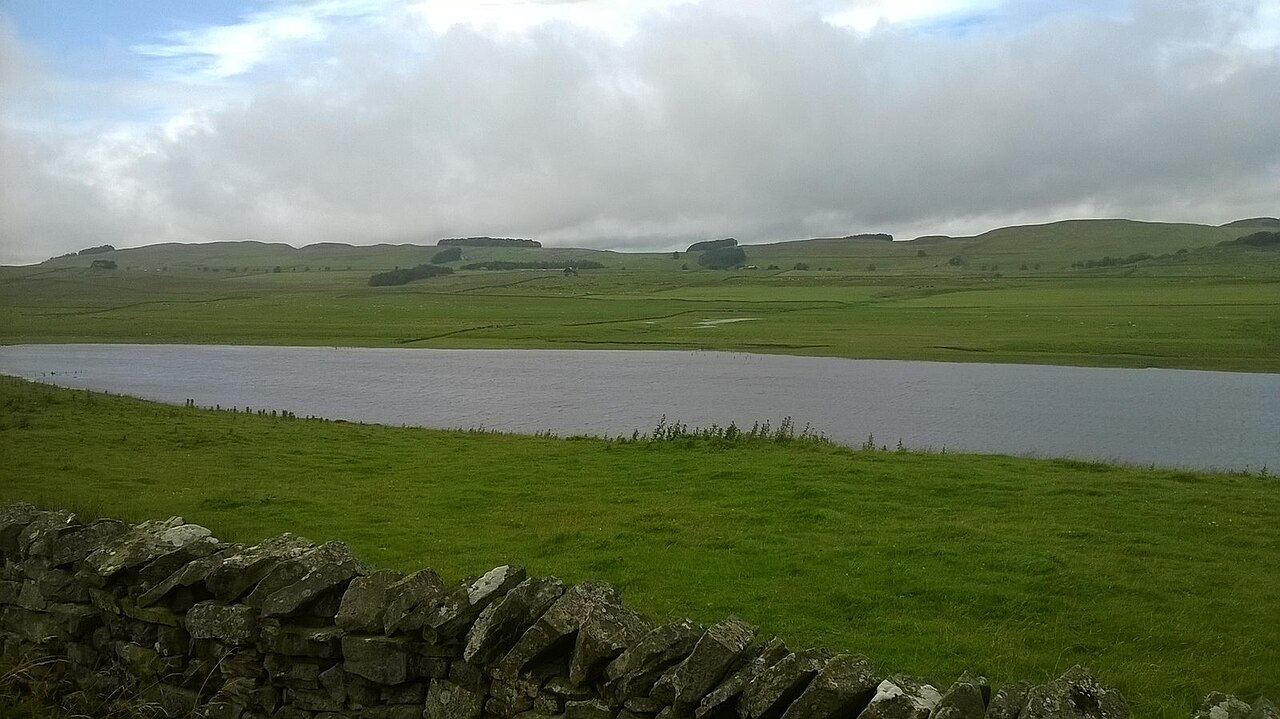
Goshawks display over the Kielder skyline on still, bright mornings, swans and geese sit on the loughs by the Wall, and a cold snap is bittern weather at East Chevington. Mud everywhere.
Oystercatchers inland, puffins back by the end of the month
Oystercatchers turn up in the Cheviot valleys, curlews start calling on the hill, pink-feet head north over Druridge Bay, and by the end of the month the puffins are back. Ospreys in late March or early April.
Inner Farne reopens, curlews bubble in the Cheviots
Inner Farne landings start, and they're cheaper than in summer. The osprey watch opens at Tower Knowe, ring ouzels and redstarts arrive, and the black grouse lek at dawn (leave them be).
Peak month, no argument: terns back at the Long Nanny and on Inner Farne, roseates on Coquet, pied flycatchers in the old woods, avocets nesting at Cresswell. Pack the soft hats.
Puffins flying in with beaks full of fish, tern colonies at full volume, osprey chicks on the Kielder camera. Book the boats early; everybody wants June.
Last call for puffins, because by the end of the month most have gone. The Long Nanny's still busy, and the Berwick swans are a free stop on the way home.
Last month for Inner Farne landings. Wigeon and pink-footed geese arrive, godwits and golden plovers gather on the Lindisfarne flats, and gannets still pass offshore.
Seal pups from late October, boat only. Whooper swans in, pink-feet pouring south over Druridge Bay, brent geese back on Lindisfarne, bearded tits pinging at East Chevington.
The middle of seal pup season, sea ducks and divers off the coast, purple sandpipers back on the rocks, and in a waxwing winter the supermarket car park is suddenly the best birding in town.
Short days, full coast: brent geese and wigeon on Lindisfarne, swans on the loughs and the Tweed, and a long shot at a bittern. Crossing times, tide, forecast, in that order.
All 35 sites. Filter by area, habitat or the bird you're after, sort by distance from where you are, and tap a pin for parking, toilets and tide notes.
Check the council's safe crossing times before anything else and plan round them. The Paul Greenwood hide on the Lough is open at all times, and check boots and the dog for pirri-pirri bur before you leave.
Watch from the white railings along the Bamburgh to Waren Mill road rather than going down onto the shore, and come nearer high tide for sea duck, grebes and divers.
Paths are level and wide with a boardwalk, so buggies are fine. The toilets and cafe are at Druridge Bay Country Park, and in winter give it time for the owls.
This month's species, and your Northumberland list
Sixty-three birds, from the easy ones to the long shots, each with where and how. Tick what you've seen; the ticks save on your device only and never leave it.
Your Northumberland list
0 of 63 seen
Ticks are saved on this device only. Nothing is sent anywhere.
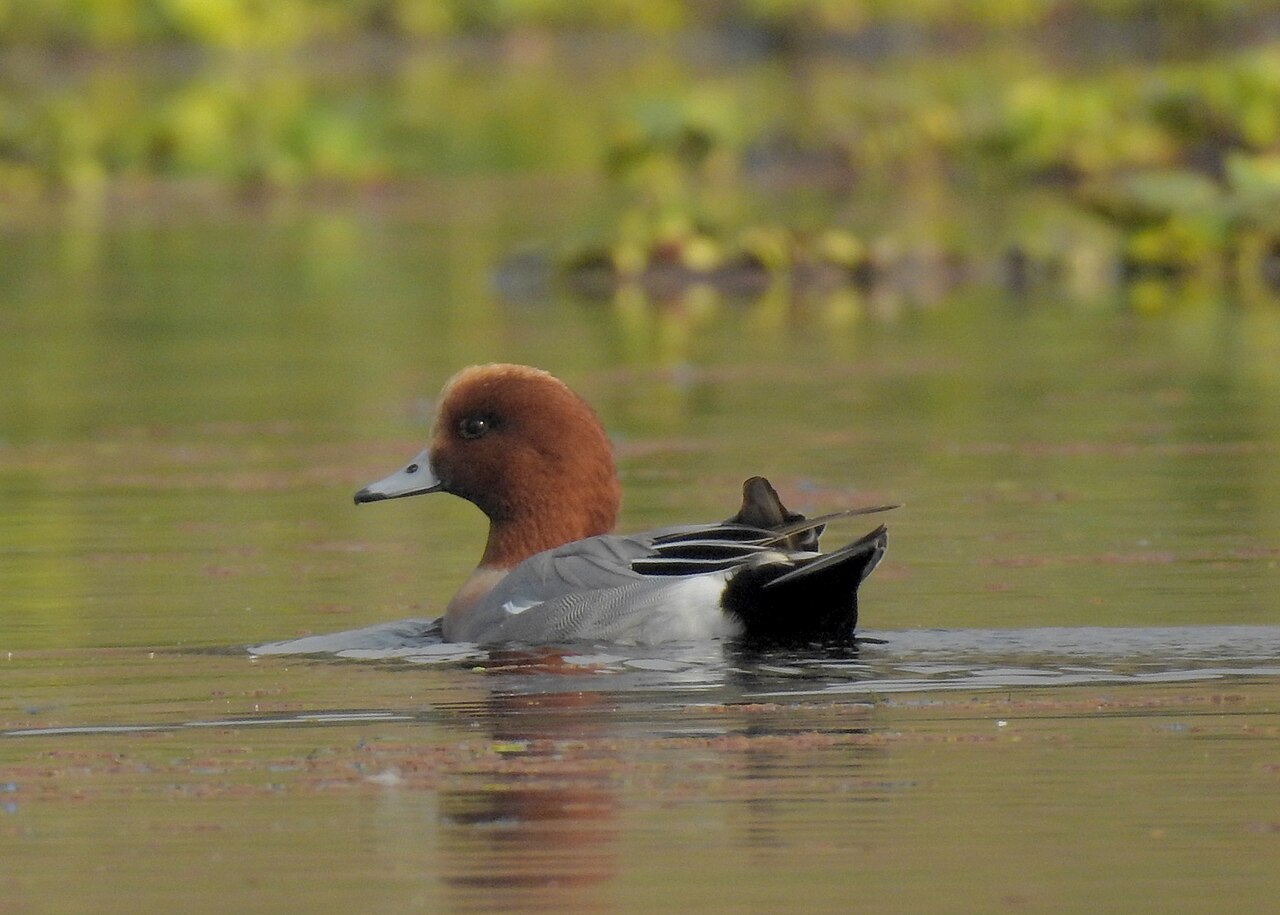
Winter ducks that graze in tight flocks on the mudflats and wet grass; males have a chestnut head with a cream stripe. Listen for the whistling call before you see them.
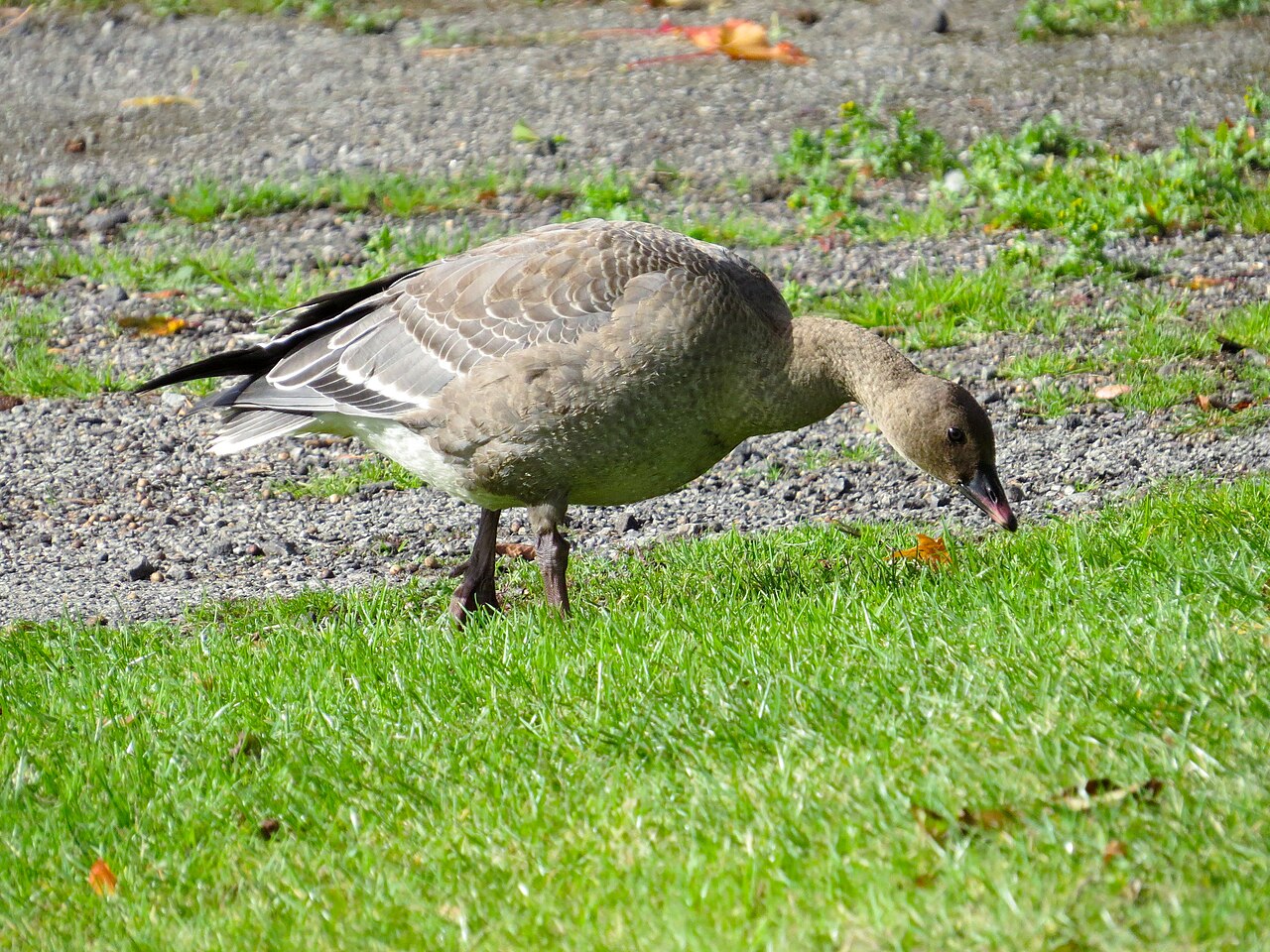
Listen for the high yapping before you see the skeins. Northumberland Wildlife Trust says large flocks pass over East Chevington in spring and autumn; they commute between roosts and feeding fields at dawn and dusk, so watch the sky then.
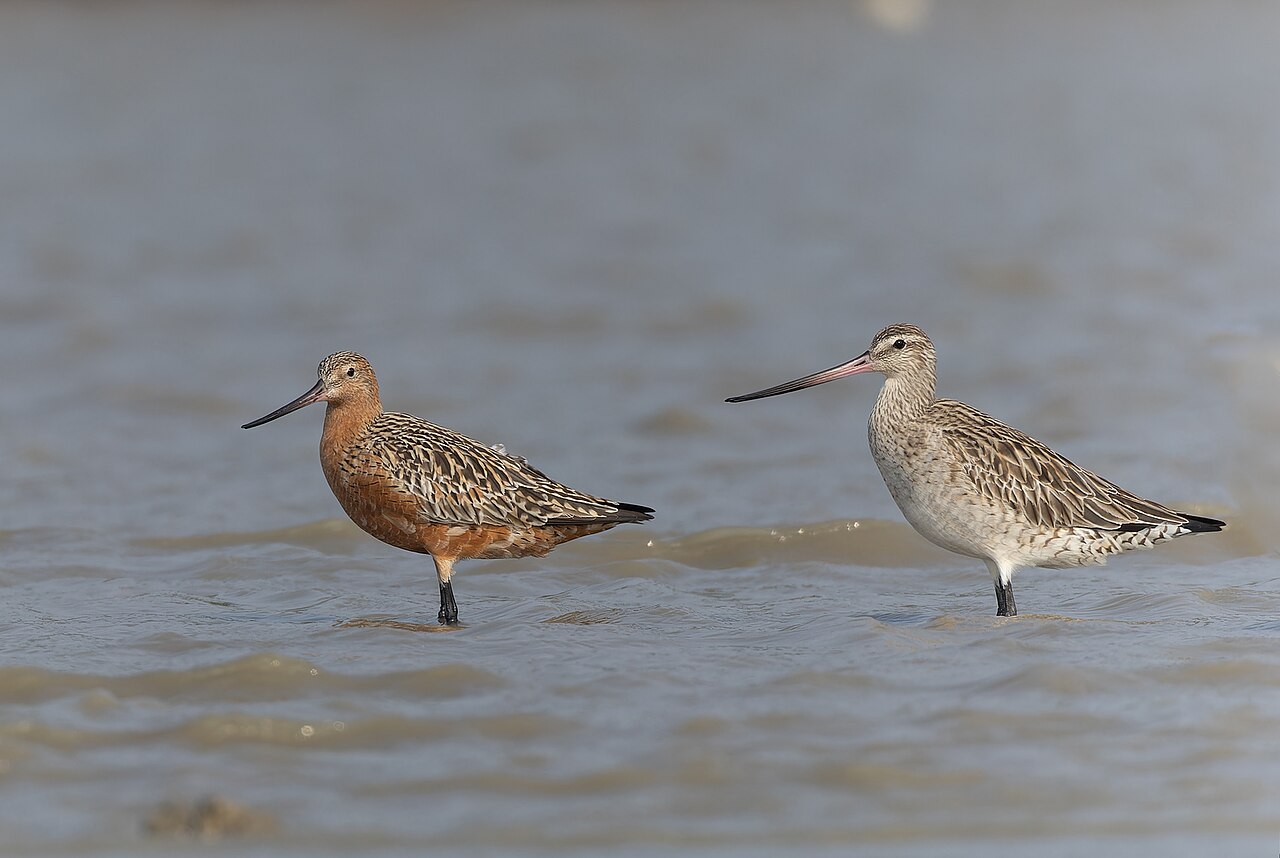
Long-billed, long-legged waders feeding on the Lindisfarne and Budle mudflats, pushed closer by the rising tide. Watch from the shore; do not walk out onto the flats.
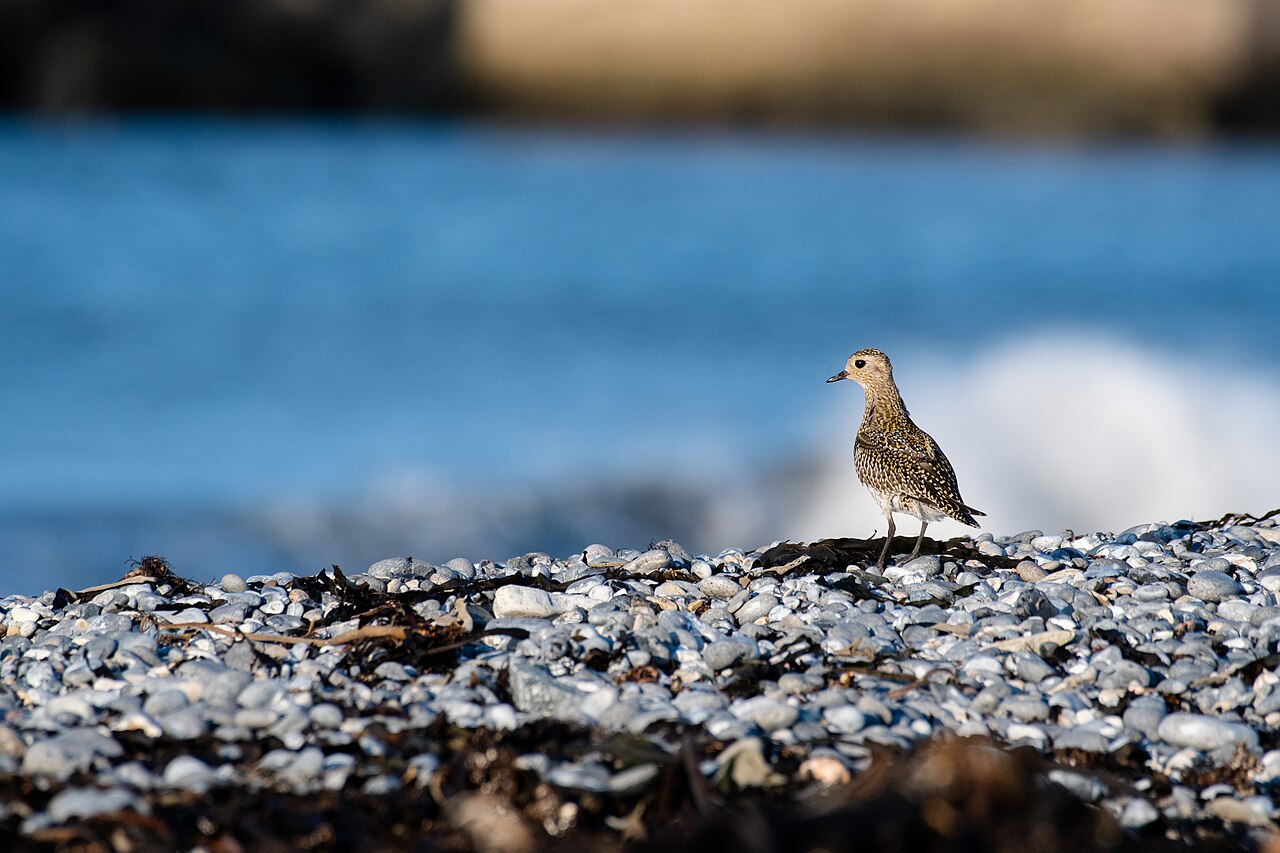
Gold-spangled plovers on high moorland in spring and summer; in autumn and winter look for tight flocks at Grindon Lough and on the Lindisfarne flats that wheel and flash white underneath.
Gold and black in summer, brown and white in winter; wintering golden plovers are one of the features Lindisfarne Special Protection Area is designated for. Source ↗
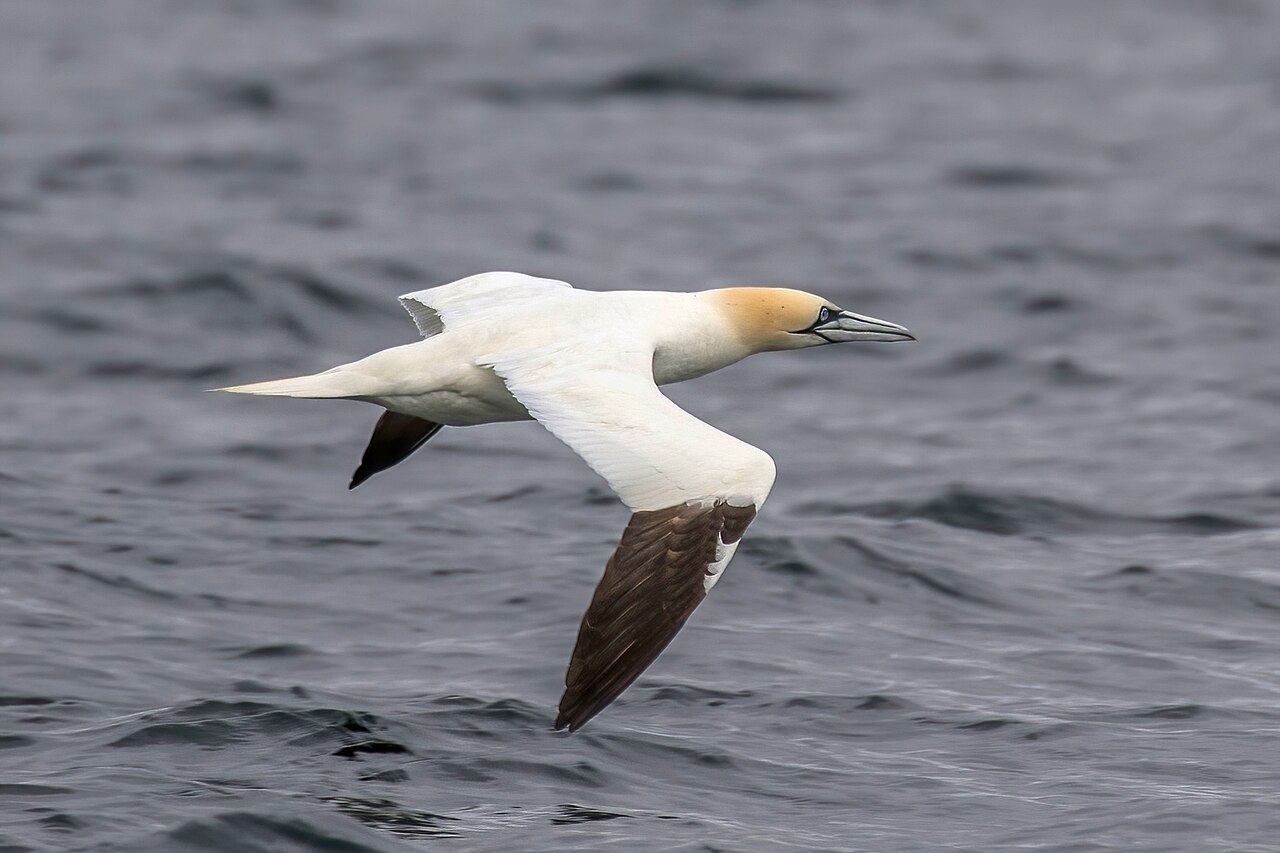
There is no colony in Northumberland, so these are birds passing offshore and fishing. Seawatch from Church Point at Newbiggin or the rocks at Bamburgh, or scan from a Farnes boat, for big white birds with black wingtips that fold up and plunge straight in.
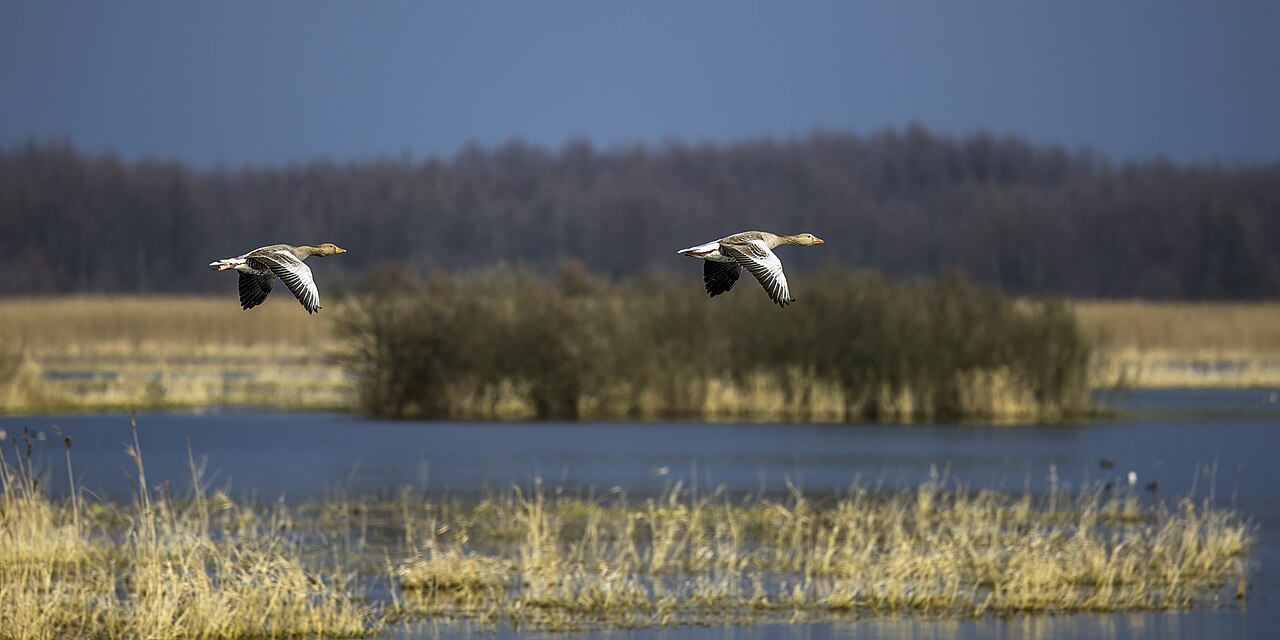
The big grey goose with an orange bill, on the lakes and loughs all year and in bigger numbers in winter. Cresswell Pond, East Chevington and Grindon Lough are reliable.
The big set pieces, the days that make the wind worth it. Eight of them, with numbers, timings and where to stand (or sit in a boat).
Late March to early August; best May to July
Puffins and seabirds on the Farne Islands
Around 200,000 seabirds nest on the Farnes between May and July, about 43,000 pairs of them puffins. Land on Inner Farne and the terns nest by the boardwalk while the puffins whirr past your ears.
Around 43,000 breeding pairs of puffins and around 200,000 breeding seabirds (National Trust)
Nobody lands on Coquet, and nowhere else in the UK has breeding roseate terns: 144 pairs in 2025. An hour round it from Amble gets you puffins, four kinds of tern and seals.
144 pairs of roseate terns and 18,704 pairs of puffins in 2025, and more than 25,000 breeding pairs of 12 species (RSPB, reported by BirdGuides)
Around 3,000 pups a year, white and blinking on the rocks from late October to January. Boats only, when the sea allows, and it's properly cold out there.
Around 3,000 pups a year, about 2.5 per cent of all grey seal pups born in Britain (National Trust)
Geese from Svalbard on the Holy Island mudflats, their only regular wintering site in Britain. Watch from the shore, and read the crossing times before you read the bird book.
40 per cent of the world population, in Natural England's words; their only regular wintering site in Britain
Around 2,000 Arctic terns and a few very rare little terns on a beach between Beadnell and High Newton, guarded round the clock by National Trust rangers from May to July.
Around 2,000 Arctic terns and a handful of little terns (National Trust)
All year; biggest numbers when the flock gathers to moult
Mute swans on the Tweed at Berwick
Up to around 800 swans on the estuary, the second largest swan colony in Britain according to Destination Tweed. Free, in town, and nobody needs a boat.
Peaks of around 800, with around 200 all year (Destination Tweed)
Spring and autumn for geese overhead; spring and summer for marsh harriers; winter for bittern
Geese, harriers and bitterns at East Chevington
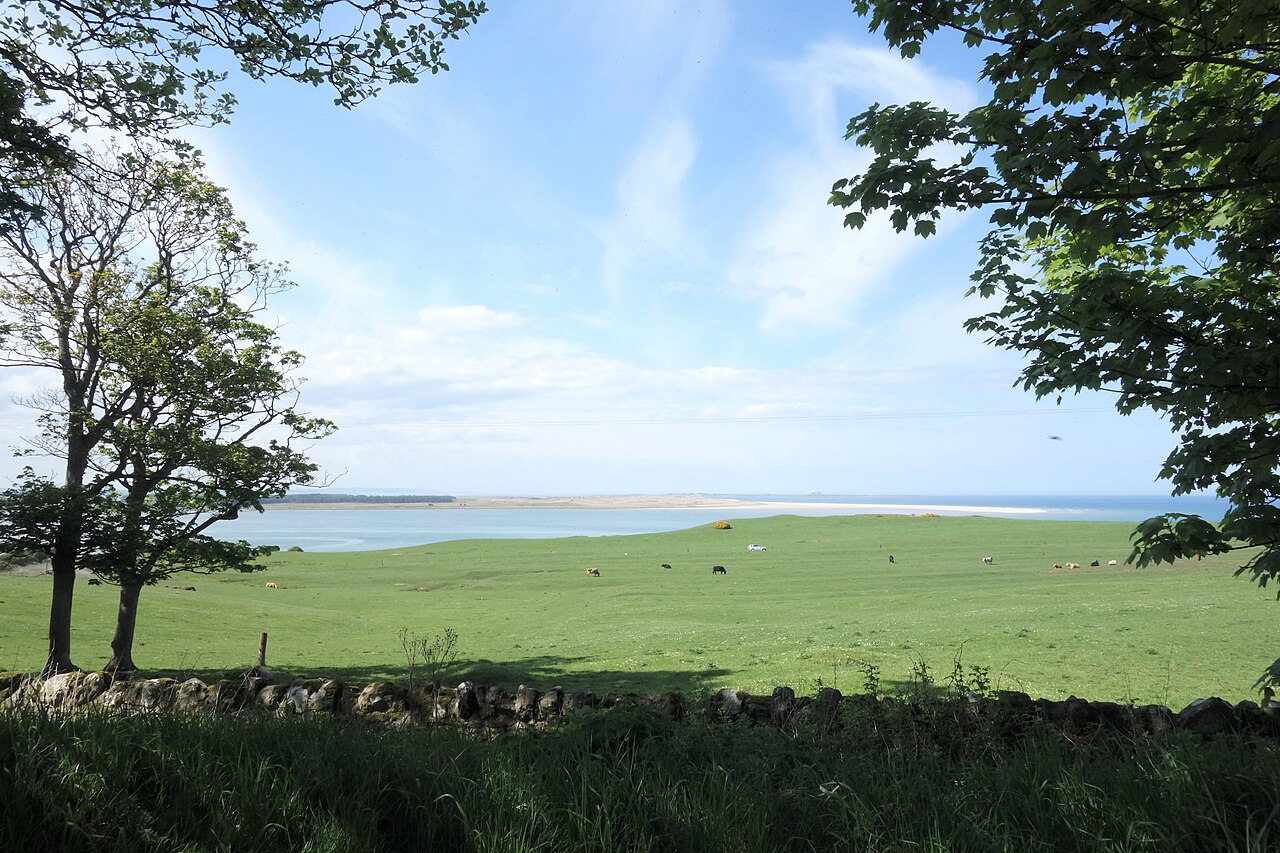
Pink-foot skeins overhead in spring and autumn, marsh harriers over the reeds in summer (breeding here since 2009), bitterns in winter if you're patient.
Marsh harriers first bred here in 2009, the first Northumberland breeding record for 130 years (NWT)
The Farne Islands and Coquet Island: when the puffins are in, how the boats and landing tickets work, the seal pups, and what you'll actually see month by month.
Arrive: Puffins return from the end of March and settle down to nest from mid April (Billy Shiel's); Inner Farne landing trips start in April, and the main breeding season runs May to July (National Trust)
Leave: By the end of July the breeding season closes and most seabirds, puffins included, begin to leave (National Trust); Inner Farne landings end in September, and grey seal pups are seen from the boats from late October until January (Billy Shiel's)
The Farnes are the big one. A scatter of low rocky islands off Seahouses, owned by the National Trust, with around 200,000 seabirds nesting on them between May and July, about 43,000 pairs of them puffins. Add Arctic and Sandwich terns, guillemots, razorbills, shags and eiders, and a grey seal colony that produces around 3,000 pups every autumn. St Cuthbert lived out here as a hermit and in 676 brought in protection for the eiders, which is why round here the eider is still the cuddy duck.
Birding with a six and a seven year old is a different sport. Here's what works, what's a slog, and where the hides, cafes and toilets are.
We've got a six and a seven year old, and birding with kids is mostly snacks, toilets and negotiation, with some birds in the gaps. What works in Northumberland is a boat, or a hide with a cafe near it. Hauxley near Amble is the easy win: hides on a short accessible route, a cafe, toilets with baby changing and a chance of red squirrels (no dogs, though). East Chevington next door has level paths and a boardwalk, with the toilets and cafe at Druridge Bay Country Park, and at Kielder the Tower Knowe osprey camera does the looking for you.
The winner, if they're old enough, is Inner Farne in June: puffins with fish in their beaks, eiders sitting on nests, and terns aiming for your head, which children rate as either the best or the worst thing that has ever happened to them. For little ones the one hour Coquet cruise from Amble is kinder. Rainy days: the RSPB's Coquet Island cameras in summer, and the Big Garden Birdwatch in January, one free hour at the kitchen window.
Inner Farne, by boat from Seahouses. A landing trip to Inner Farne between May and July: puffins flying in with fish, eiders on nests and Arctic terns that will go for your head, so soft hats for everyone. Limited toilets on the island, and no dogs. Details ↗
Puffin Cruises, Amble. The one hour Puffin Cruises trip round Coquet Island from Amble: puffins, terns, eiders and seals without landing. At the time of checking, 20 pounds an adult, 15 pounds a child, under threes free; book by phone. Details ↗
Seahouses harbour. White grey seal pups from a seal cruise out of Seahouses between late October and January. Billy Shiel's Grey Seal Cruise runs all year, weather permitting, and takes about an hour and a half. Details ↗
Hauxley Wildlife Discovery Centre, near Amble. A morning at Hauxley: six hides, a one kilometre accessible route to two of them, a cafe, toilets with baby changing and a chance of red squirrels. No dogs except assistance dogs, and a small parking charge. Details ↗
Long Nanny, between Beadnell and High Newton. Walk the beach to the Long Nanny between May and July, say hello at the rangers' hut in the dunes and watch around 2,000 Arctic terns from the viewing platform. Details ↗
Tower Knowe, Kielder Water. The live 4K osprey nest camera and scopes at the Tower Knowe osprey watch at Kielder, next to the cafe: Saturdays, Sundays and Wednesdays, 11am to 4pm, April to mid August. Details ↗
Your garden, balcony or local park. The RSPB Big Garden Birdwatch at home. Free, one hour, a weekend in late January; the RSPB puts the dates out each winter. Details ↗
Tweed estuary, Berwick-upon-Tweed. Count the mute swans on the Tweed estuary in Berwick. Destination Tweed says numbers peak at around 800, the second largest swan colony in Britain, and it costs nothing. Details ↗
Wildlife and nature events coming up
Bird and nature events across Northumberland, pulled live from the Almanac, so guided walks, seal trips and talks show up here as soon as they're listed.
You need less than the catalogue says; eight things, in the order I'd buy them.
Binoculars. 8x42 is the all-rounder for boats, beaches and woods; borrow a pair before you buy, and on a boat keep the strap round your neck.
A field guide or the free Merlin Bird ID app from the Cornell Lab, which identifies birds from sound. Handy in the woods in May when everything sings at once.
A notebook or the free BirdTrack app, so your sightings go to the BTO and the Northumberland and Tyneside Bird Club instead of vanishing.
The council's Holy Island crossing times and a tide table saved to your phone before any trip to Lindisfarne or Budle Bay.
A soft hat for everyone landing on Inner Farne from May to July. The National Trust says not a hard hat or a cycle helmet, which can hurt the terns.
Windproof and waterproof layers, hat and gloves, even in summer. It is always colder on a boat than on the quay.
A flask and food. Grindon Lough, Cresswell Pond and Druridge Pools have no cafe.
A telescope, but only once you're hooked. For the sea ducks off Holy Island and the geese on the Lindisfarne flats it changes everything.
The wildlife watchers' code
Seven lines worth knowing, because a lot of Northumberland's best birds nest where people walk, and the seals are easy to spook.
Birds first. Don't disturb them or their habitat, whatever the photo would have been.
On Inner Farne keep to the boardwalk, don't reach over the ropes, wear a soft hat in the tern colony and keep moving. No dogs on the islands, assistance dogs included.
At the Long Nanny follow the signs, stay outside the ropes and keep dogs on a short lead from May to July.
Give seals space: clifftops and dunes, dogs on leads and about 100 metres back, never onto a beach with seals on it, and no drones. An injured seal is a call to British Divers Marine Life Rescue on 01825 765546.
Know the law. Roseate tern, little tern, osprey, hen harrier, goshawk, long-tailed duck and purple sandpiper are Schedule 1 birds, so never go looking for nests or leks.
Only drive the Holy Island causeway inside the council's safe crossing times, with time to spare, and never with water on the road.
Record what you see, on BirdTrack or with the Northumberland and Tyneside Bird Club; it's how populations get monitored.
On this coast the tide decides nearly everything: where the waders are, and whether you can get onto Holy Island and back. Here's how it works and where to check.
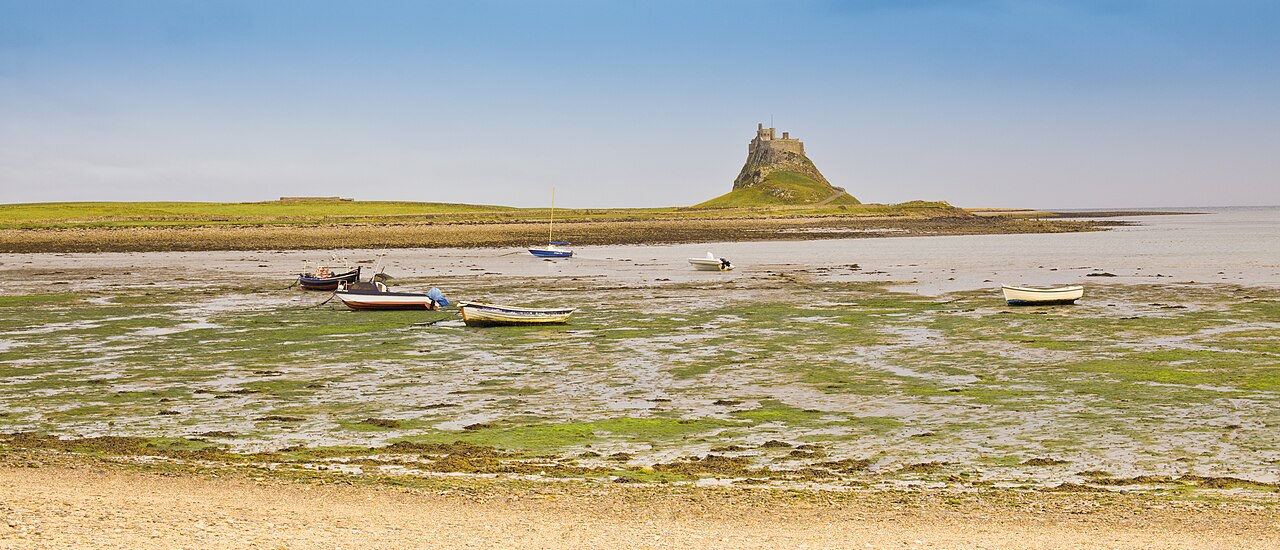
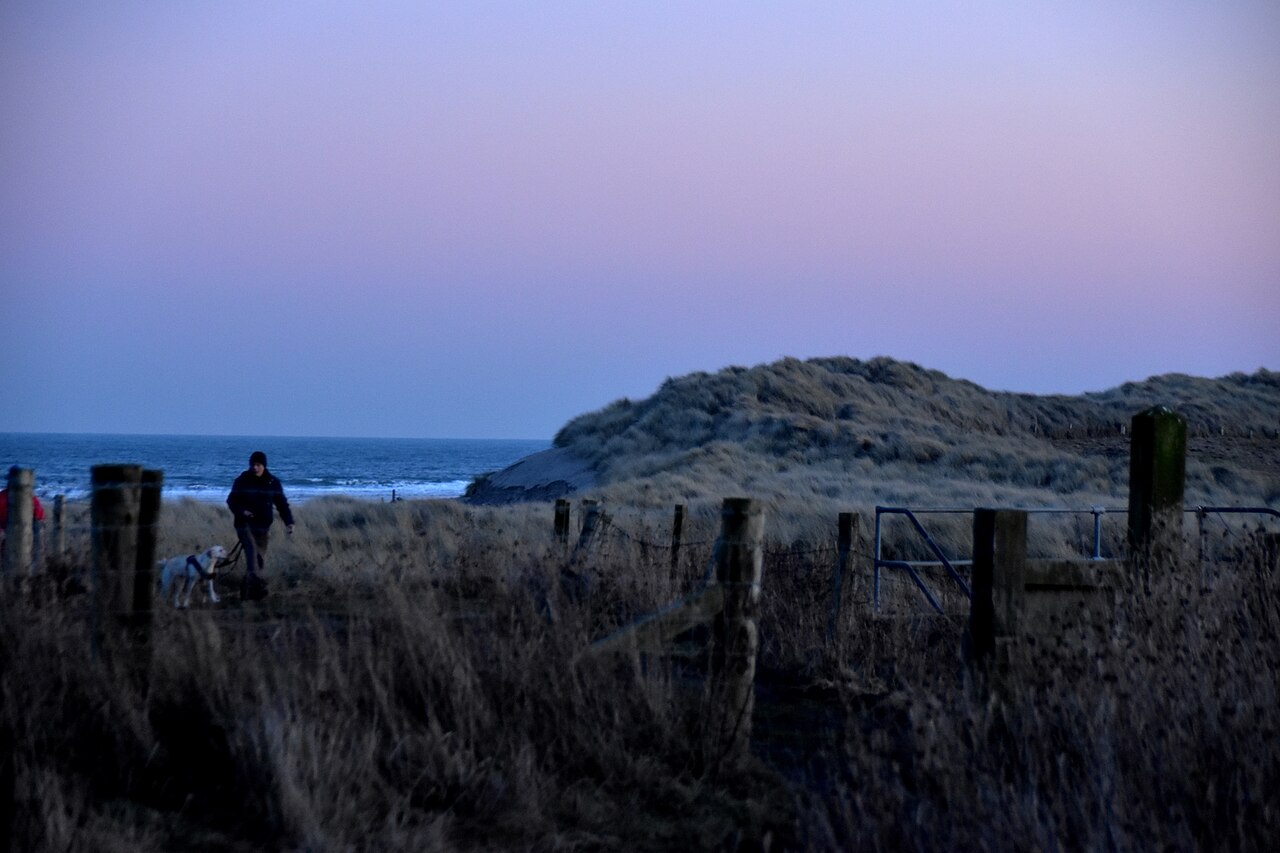
At Lindisfarne and Budle Bay the geese, ducks and waders are spread across miles of mudflat at low water and out of reach; the rising tide pushes them closer to the shore, and on the rocky coast purple sandpipers and turnstones are easiest at high tide when they gather on the last rocks above the water. Holy Island is cut off twice a day. Only drive the causeway within the safe crossing times published by Northumberland County Council, and allow the extra 30 minutes the council advises, because conditions such as high winds can change when the causeway floods. The council's times are for the road only: anyone walking the Pilgrims' Way over the sands should go in daylight with someone who has local knowledge and must never set out on a rising tide. If you are caught by the tide on the causeway, use the refuge box, and if someone is in difficulty call 999 and ask for the Coastguard. Never walk out onto the mudflats after birds.
Where to see what's been reported lately, so you don't drive to an empty mudflat.
Where the sightings are
Northumberland and Tyneside Bird Club: recordingHow to send your records to the county club (a monthly spreadsheet by email) and the County Records Committee's rare and scarce species reports; the club does not run a public daily sightings page that we could find.
BirdGuides NorthumberlandNational bird news service with Northumberland rarities; the full records archive needs a BirdGuides Ultimate or Pro subscription.
eBird NorthumberlandGlobal sightings database from the Cornell Lab with Northumberland hotspots, recent checklists and bar charts of when each species occurs.
BirdTrack (BTO)Free app and website from the BTO and partners for logging your own sightings and exploring recent records and arrival dates.
Kielder ospreys blogNest by nest news from the Kielder ospreys each season, from the first returns in spring to the young birds leaving.
Lindisfarne National Nature Reserve blogThe reserve team's blog, with goose counts and seasonal news from Holy Island and Budle Bay when it is updated; check the date of the latest post.
RSPB Coquet Island page and camerasSeason news and the live seabird cameras from Coquet Island during the breeding season, the only way to see the roseate terns close up.
People to join
Northumberland and Tyneside Bird ClubThe county bird club, founded in 1958, covering Northumberland, North Tyneside and Newcastle. It keeps the county records, publishes the annual Birds in Northumbria report, runs field trips, and holds indoor meetings at the Northern Rugby Club, McCracken Park, Gosforth, with the 2026 to 2027 season starting on 10 September 2026.
Northumberland Wildlife TrustRuns the Druridge Bay reserves (Hauxley Wildlife Discovery Centre, East Chevington, Druridge Pools and Cresswell Pond) and inland reserves such as Grindon Lough and Greenlee Lough, and is a partner in the Northumberland Hen Harrier Protection Partnership.
RSPB Coquet IslandThe RSPB manages Coquet Island as a seabird sanctuary with no public access; wardens live on the island in the breeding season and the RSPB streams live cameras from the tern terraces, nest boxes and puffin burrows.
National Trust, Farne IslandsThe Trust owns the Farne Islands, runs the Inner Farne landing season from April to September, sells landing tickets from its trailer on Seahouses harbour and looks after the seabird and grey seal colonies.
National Trust, Embleton and Newton Links (Long Nanny)Rangers camp at the Long Nanny shorebird site 24 hours a day from May to July to protect around 2,000 Arctic terns and a few little terns, with a rangers' hut and viewing platform in the dunes and a bird hide at Newton Pool.
Natural England, Lindisfarne National Nature ReserveNatural England manages Lindisfarne NNR, the mudflats, saltmarsh and dunes around Holy Island and Budle Bay; the reserve base on 01289 381470 has details of guided walks and volunteering.
Northumberland National ParkLooks after the Cheviots, Coquetdale and Redesdale uplands, works with landowners to help the last black grouse, and asks for any black grouse sightings to be reported.
Kielder ospreys (Forestry England and partners)Runs the Tower Knowe osprey watch with a live nest camera and scopes from April to mid August, and the Kielder ospreys blog, which follows the nests through each season and keeps the history.
Northumberland Hen Harrier Protection PartnershipForestry England, Natural England, the RSPB, the National Park, Northumberland Wildlife Trust, the Ministry of Defence, Northumbria Police and raptor workers, who watch, ring and satellite tag the county's hen harriers.
Berwickshire and Northumberland Marine Nature PartnershipLooks after the marine protected areas from the Farnes to Coquet and Lindisfarne, and publishes practical codes for walkers, dog owners, paddlers and drone pilots, plus the Eider Aware North East project.
Red Squirrels Northern EnglandNot birds, but you will want them: the red squirrel conservation project lists the best places to see reds, including hides such as Wallington's, and wants sightings of both red and grey squirrels reported.
Friday, 7am: the weather call, one proper day out and every family event that weekend, checked with the organiser.
Sunday, 6pm: the grown-up edition, with a walk of the week and what's worth booking.
Every week: Holy Island crossing times, new guides and what's on at half term.
No spam, no ads. Unsubscribe from any email with one click. Privacy
Questions people ask
When is the best time to see puffins in Northumberland?
May to July. They're back around the Farnes and Coquet from the end of March and settle to nest from mid April, and the National Trust says most have gone by the end of July. Take a boat from Seahouses (landing on Inner Farne from April to September) or the one hour Puffin Cruises trip round Coquet from Amble.
Can you land on the Farne Islands and how much does it cost?
Yes, on Inner Farne, April to September. The National Trust landing fee is on top of the boat: in 2026 it was 17 pounds an adult and 8.50 pounds a child (5 to 17) in May to July, and 13 pounds and 6.50 pounds in April, August and September, with members free. Staple Island is currently closed, and no dogs on the islands.
When can you see seal pups on the Farne Islands?
Late October to January. Around 3,000 grey seal pups are born on the Farnes each autumn, according to the National Trust. Nobody lands in winter, so it's seal cruises from Seahouses, when the sea lets them sail.
Do you need to book Farne Islands boat trips?
The National Trust recommends booking the boat ahead, and in summer I would. Three operators sail from Seahouses (Billy Shiel's, Golden Gate and Serenity), the landing ticket comes from the Trust's trailer on the harbour, and the pay and display car parks fill up.
Can you land on Coquet Island?
No. It's an RSPB sanctuary with no public access because it holds the UK's only breeding roseate terns (144 pairs in 2025). See it from Puffin Cruises boats out of Amble harbour, or on the RSPB's live cameras in the breeding season.
Where can I see the brent geese on Holy Island?
On the Lindisfarne mudflats around Holy Island and Budle Bay in autumn and winter; Natural England says it's the only regular wintering site in Britain for the light-bellied brent geese from Svalbard. Watch from the shore, never walk out after them, and check the council's crossing times before you drive over.
Is it safe to walk across to Holy Island?
Only with care and the right timing. The council's safe crossing times are for the causeway road; walkers on the Pilgrims' Way should go in daylight with someone who knows the route, never set off on a rising tide, and aim to finish before the midpoint of the safe period. If anyone's in trouble, ring 999 and ask for the Coastguard.
Are there ospreys in Northumberland?
Yes, at Kielder, where they came back on their own in 2009 and about 130 young have left the forest since. They're back in late March or early April, and the Tower Knowe osprey watch has a live nest camera and scopes on Saturdays, Sundays and Wednesdays from April to mid August.
Where are the best nature reserves around Druridge Bay?
Northumberland Wildlife Trust's Hauxley (hides, cafe, toilets), East Chevington (reedbeds with marsh harriers, bearded tits and wintering bitterns), Druridge Pools (wetland hides) and Cresswell Pond (a lagoon where avocets have nested since 2011). East Chevington's toilets and cafe are at Druridge Bay Country Park next door.
Why is the eider called the cuddy duck?
After St Cuthbert, who lived as a hermit on Inner Farne and in 676 brought in protection for the eiders and other seabirds, thought to be among the earliest bird protection laws anywhere. They still nest on the Farnes and Coquet and live along this coast all year.
That's the county, or as much of it as I could check. A few entries are thin because the people who run the places don't list their birds, and I'd rather say so than make it up. If it's different when you go, tell me.
Sources (97 pages checked on Tuesday 29 September 2026)