The Farne Islands and Coquet Island: puffins, seals and boats
The Farne Islands and Coquet Island: when the puffins are in, how the boats and landing tickets work, the seal pups, and what you'll actually see month by month.
The Farne Islands and Coquet Island: when the puffins are in, how the boats and landing tickets work, the seal pups, and what you'll actually see month by month.
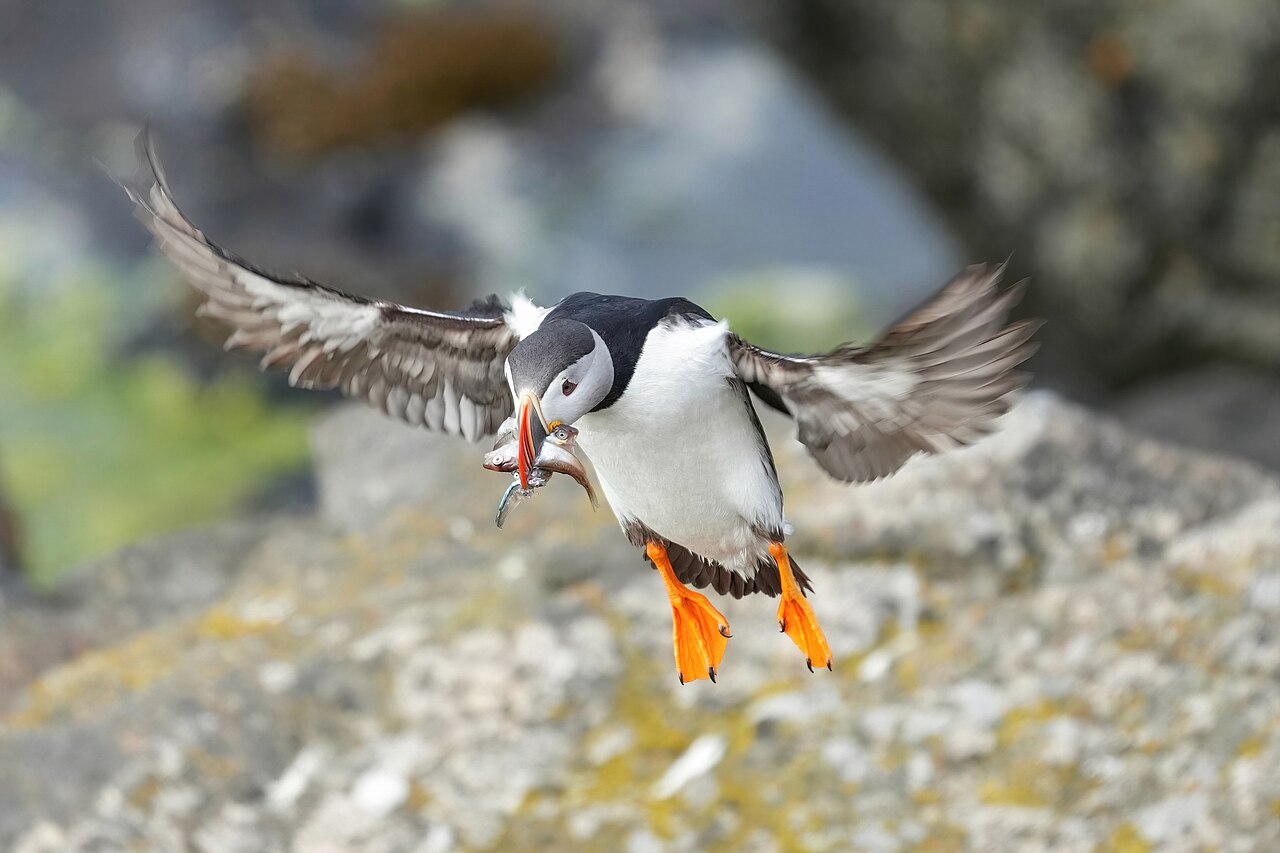
May to July. They're back around the Farnes and Coquet from the end of March and settle to nest from mid April, and the National Trust says most have gone by the end of July. Take a boat from Seahouses (landing on Inner Farne from April to September) or the one hour Puffin Cruises trip round Coquet from Amble.
When and how
The Farnes are the big one. A scatter of low rocky islands off Seahouses, owned by the National Trust, with around 200,000 seabirds nesting on them between May and July, about 43,000 pairs of them puffins. Add Arctic and Sandwich terns, guillemots, razorbills, shags and eiders, and a grey seal colony that produces around 3,000 pups every autumn. St Cuthbert lived out here as a hermit and in 676 brought in protection for the eiders, which is why round here the eider is still the cuddy duck.
Everything goes from Seahouses harbour. Three companies run the boats (Billy Shiel's, Golden Gate and Serenity), and there are three kinds of trip: round the islands cruises, which sail all year when the weather allows; puffin cruises without landing, April to July; and landing trips to Inner Farne, April to September. Landing is a separate National Trust ticket from the Trust's trailer on the harbour: in 2026 it was 17 pounds an adult and 8.50 pounds a child (5 to 17) in May, June and July, and 13 pounds and 6.50 pounds in April, August and September, on top of the boat fare. National Trust members land free, which is where the card finally earns its keep. Staple Island is currently closed to the public. Book the boat ahead and allow time to park, because the car parks are pay and display, not National Trust, and they fill up.
On Inner Farne you walk a boardwalk through the colony and the Arctic terns nest right beside it. They will dive at your head. This is not a figure of speech. The National Trust asks for a soft hat (not a hard hat or a cycle helmet, which can damage their beaks), no reaching over the ropes, and keep moving. There's St Cuthbert's Chapel with its 17th century wood carvings, limited toilets, and no dogs at all, assistance dogs included, though some boats let dogs stay on board. Billy Shiel's landing trip gives you about an hour ashore in two and a half to three hours.
Coquet Island is the other one, just off Amble, and you can't land on it at all. It's an RSPB sanctuary and the only place in the UK where roseate terns breed: 144 pairs in 2025, the third highest total recorded there. The same summer it had 18,704 pairs of puffins, a record 2,282 Sandwich tern nests, and common terns climbing back after bird flu (536 pairs, against 1,875 before the outbreak). Wardens have lived out there in the breeding season since 1970, in the lighthouse these days. You see it from Puffin Cruises at Amble harbour: one hour round the island, 20 pounds an adult, 15 pounds a child and under threes free at the time of checking, booking essential by phone, and the tide and the sea decide the sailings. The RSPB's island cameras are the only way you'll see a roseate tern properly close.
What you actually see, month by month. Late March and April: the puffins are back from the end of March and settle to nest from mid April, Inner Farne landings start in April at the cheaper price, and it is cold on the water. May to July is the main event: everything is nesting, the terns are back, and in June the puffins fly in with beaks full of fish for their chicks. The National Trust says that by the end of July the season closes and most seabirds, puffins included, begin to leave.
August and September are quieter. Landings carry on at the off-peak price and the shags, eiders and seals are still about, but the puffin crowds have gone, so don't book August for puffins. Inner Farne landings stop at the end of September. From late October to January it's seal pup season, boats only, with the white-coated pups on the rocks; Billy Shiel's Grey Seal Cruise takes about an hour and a half and runs all year when the weather allows. Grey seals are round Coquet all year too, and Puffin Cruises runs seal watching trips.
Honest tips for families. With under sixes I'd do the one hour Coquet trip or a Farnes puffin cruise rather than a three hour landing trip; small legs and a boat only get along for so long. The landing trip is brilliant with kids who can cope with being dive-bombed, so talk about the terns beforehand and bring soft hats. The sea decides everything: boats are cancelled in rough weather, so have a plan B and keep the booking details handy. It is colder on the water than on the quay, even in July. Toilets on Inner Farne are limited, some boats have them on board, and the public toilets in Seahouses are next to the main car park.
One last thing. Seals are easy to spook. From a boat that's the skipper's job; on land, watch from clifftops or dunes, keep dogs on leads and well back, and never walk onto a beach with seals on it. If a seal or pup looks injured or in trouble, keep people and dogs away and ring British Divers Marine Life Rescue on 01825 765546.
The Farne Islands lie off Seahouses and belong to the National Trust. St Cuthbert lived as a hermit on Inner Farne and in 676 brought in protection for the eiders and other seabirds, which is why the eider is still called the cuddy duck; St Cuthbert's Chapel, with its 17th century wood carvings, is open on landing trips. Around 200,000 seabirds nest there from May to July, including about 43,000 pairs of puffins, Arctic and Sandwich terns, eiders, guillemots, razorbills and shags, and around 3,000 grey seal pups are born each autumn. Three operators sail from Seahouses harbour (Billy Shiel's, Golden Gate and Serenity): round the islands cruises and seal trips run all year when the weather allows, puffin cruises without landing run April to July, and landing trips to Inner Farne run April to September. The National Trust landing fee is separate from the boat fare and is paid at the Trust's trailer on the harbour; in 2026 it was 17 pounds for adults and 8.50 pounds for children aged 5 to 17 in May, June and July, and 13 pounds and 6.50 pounds in April, August and September, with National Trust members landing free. Staple Island is currently closed to the public, and no dogs are allowed on the islands, including assistance dogs. Coquet Island, just off Amble, is an RSPB sanctuary that is not open to the public; it has the UK's only breeding roseate terns (144 pairs in 2025), 18,704 pairs of puffins in 2025, a record 2,282 Sandwich tern nests in 2025 and kittiwakes since 1991, and residential wardens have lived on the island in the breeding season since 1970. Puffin Cruises sail round it from Amble harbour in one hour, tide and sea permitting, and booking is essential.
Seahouses · NE68 7RQ · best
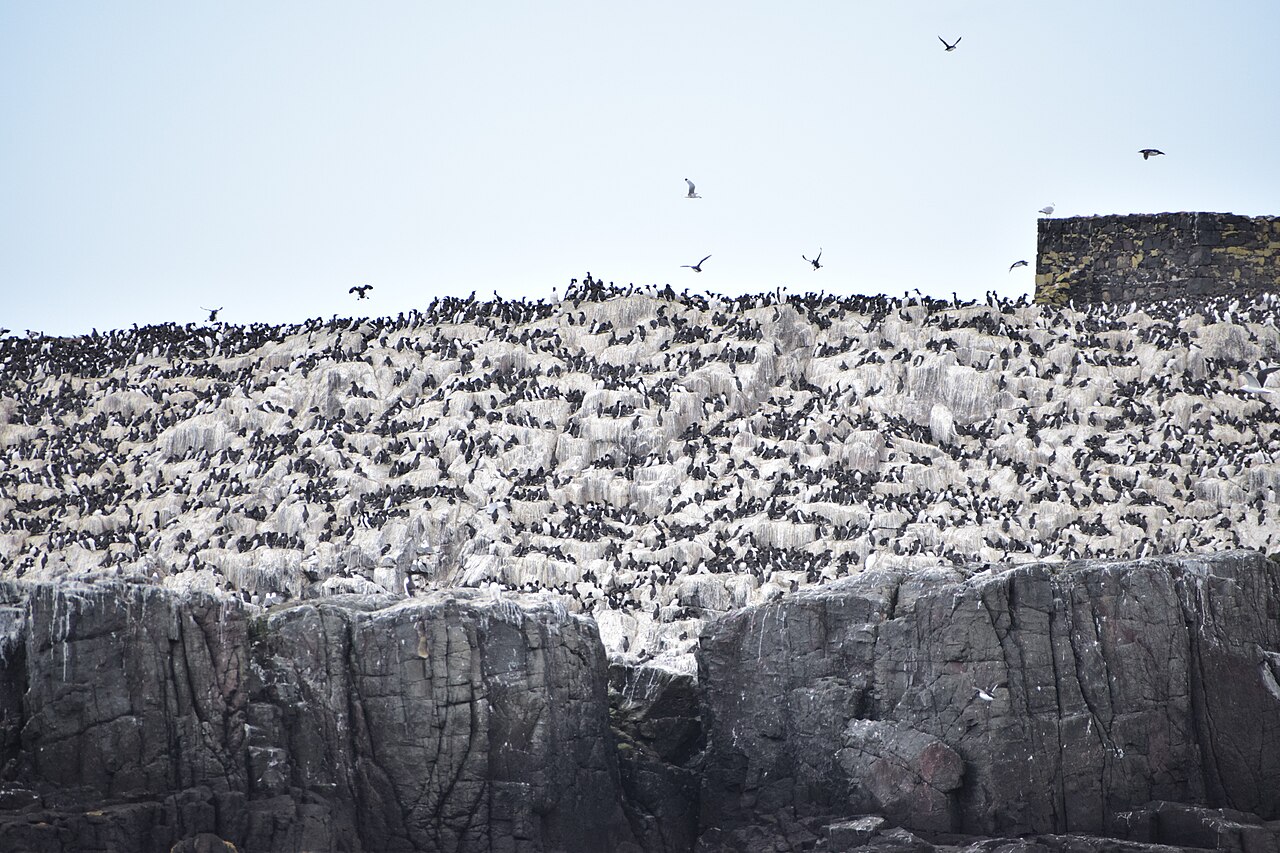
The big one. Around 200,000 seabirds nest here from May to July, about 43,000 pairs of them puffins, and on Inner Farne the boardwalk runs straight through the tern colony, which is where you find out what the soft hat was for.
Tip. Buy the National Trust landing ticket at the trailer on the harbour before you sail, book the boat ahead in summer, and have a plan B, because landings are cancelled when the sea is up.
Checked Tuesday 29 September 2026 against this page.
Amble · best
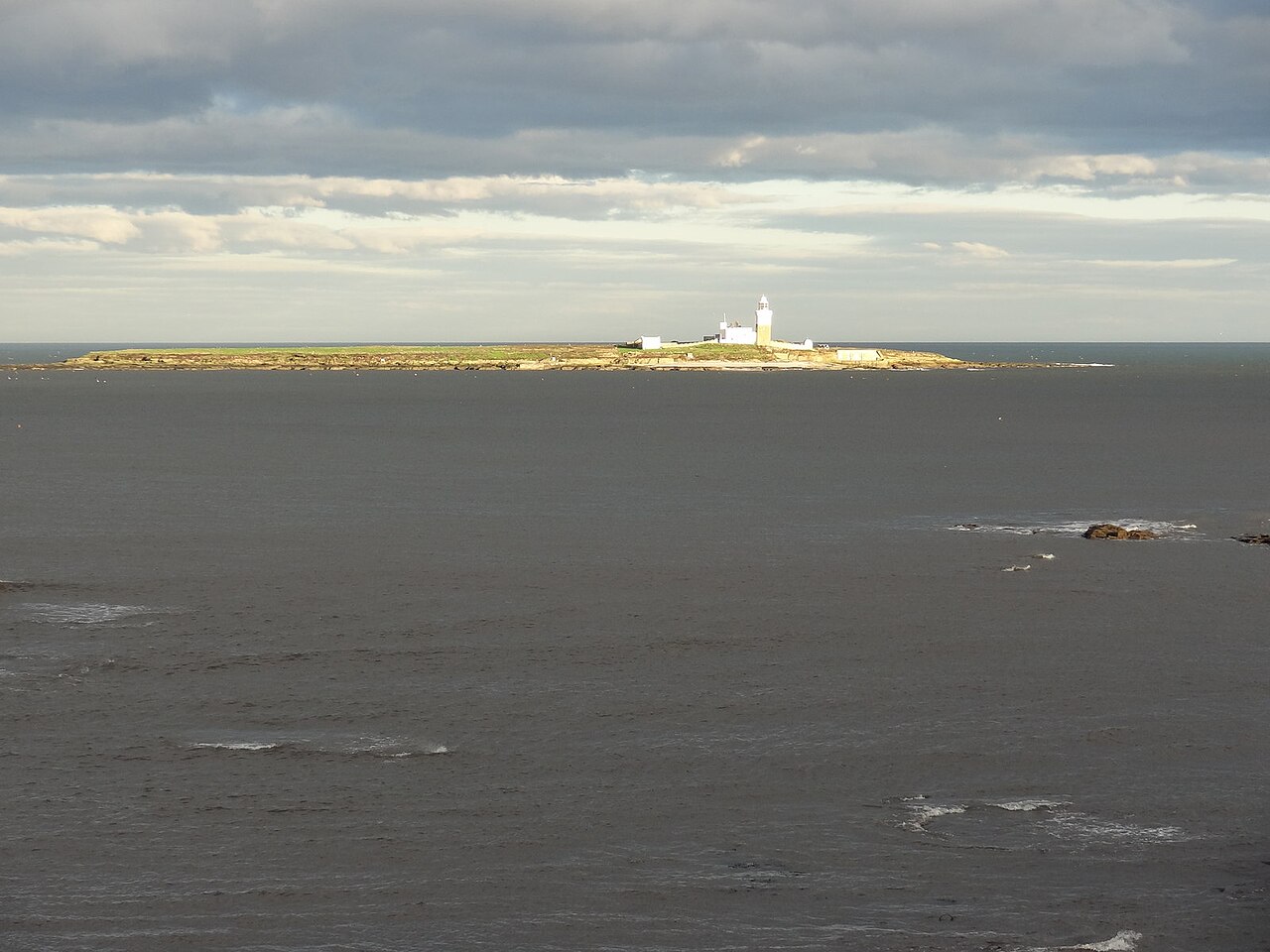
The UK's only breeding roseate terns, plus thousands of puffins and three other kinds of tern, on an RSPB island that nobody lands on. You go round it in an hour on the Puffin Cruises boat from Amble.
Tip. Ring Puffin Cruises to book (07752 861914), bring binoculars for everyone because the boat keeps its distance from the island, and go between mid May and July.
Checked Tuesday 29 September 2026 against this page.
Holy Island · best
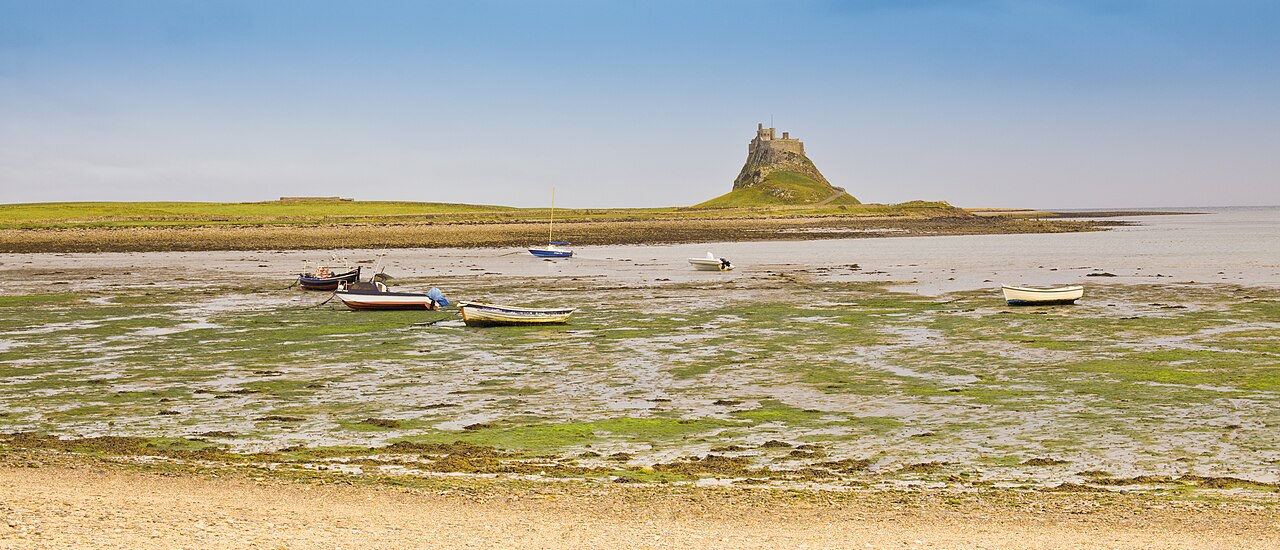
Winter is the point: light-bellied brent geese from Svalbard, wigeon, grey plovers and godwits on the flats, and in autumn an easterly can drop migrants into the hedges along the Straight Lonnen. The tide runs the whole day.
Tip. Check the council's safe crossing times before anything else and plan round them. The Paul Greenwood hide on the Lough is open at all times, and check boots and the dog for pirri-pirri bur before you leave.
Checked Tuesday 29 September 2026 against this page.
Seahouses · NE68 7RQ · best
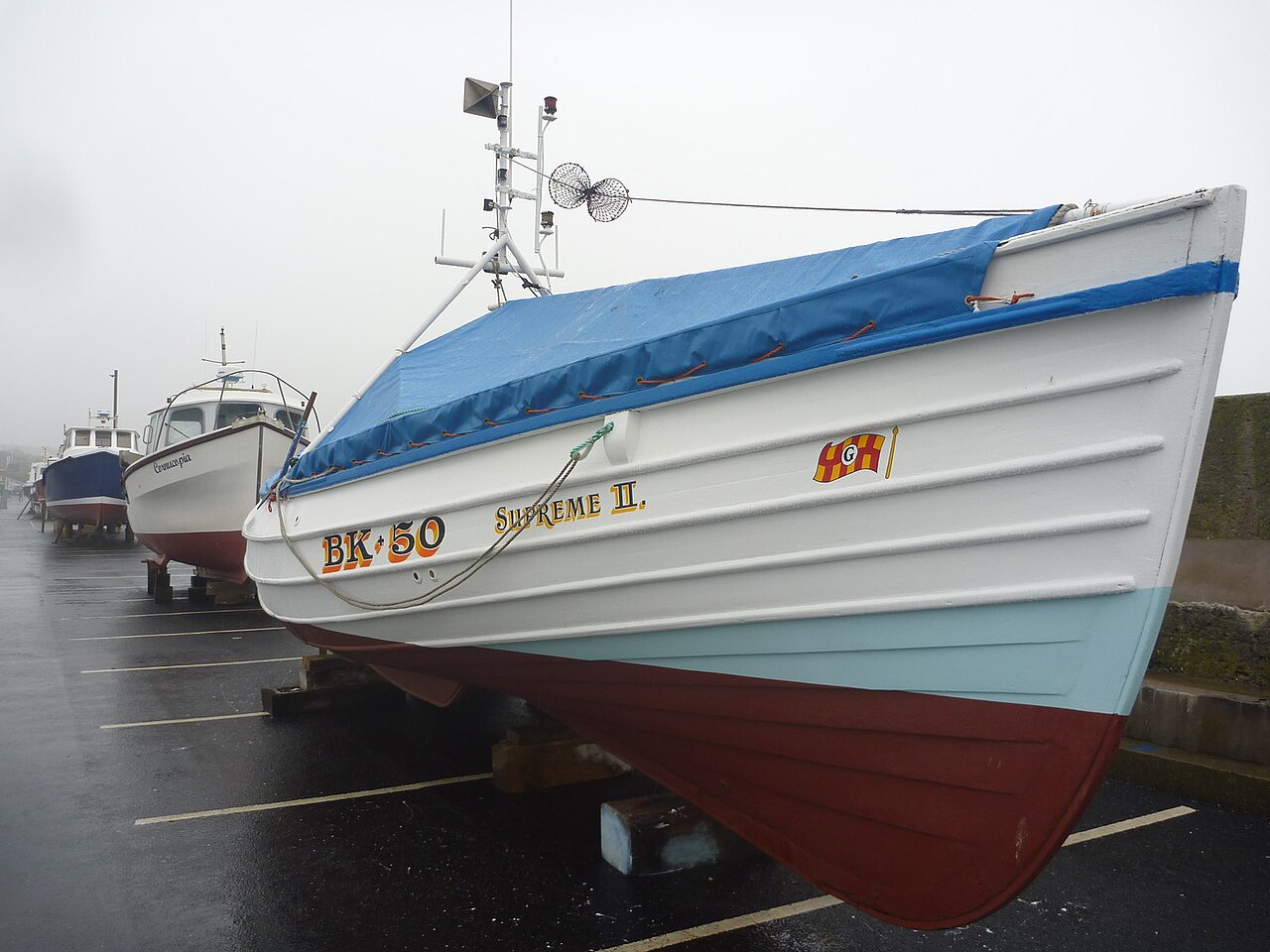
Ten minutes with the binoculars before the Farne boat: eiders close in, purple sandpipers and turnstones on the rocks and walls, and sometimes goldeneye in winter.
Tip. Winter is best for the harbour birds and the boats are quiet. Station Yard is the council car park with the first hour free, and the toilets are by the main car park.
Checked Tuesday 29 September 2026 against this page.
Warkworth · best
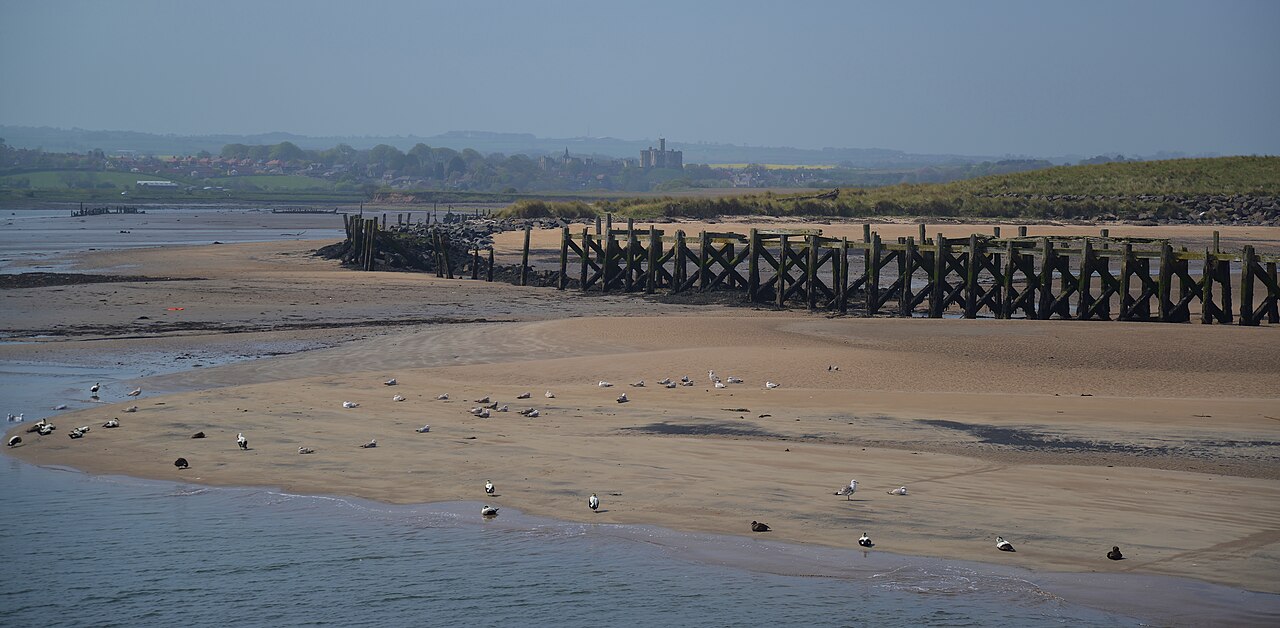
Below the castle the Coquet runs out past a tidal channel called the Gut, with little egrets in late summer, stonechats in the dunes and snow buntings on the beach in winter.
Tip. Use the Beach Road car park for the Gut and the dunes. If the bairns are flagging, the castle is right there (English Heritage, paid entry).
Checked Tuesday 29 September 2026 against this page.
Amble · best
Where the Coquet Island boat goes from, with eiders in the harbour and the Braid picnic area looking over mud with herons, shelduck and, in late summer, little egrets.
Tip. Look round the harbour for eiders while you wait for the Coquet boat, and NWT Hauxley is only a few minutes down the coast if you want more.
Checked Tuesday 29 September 2026 against this page. Coordinates are the Amble town centroid (ONS), not the harbour itself, which is a short walk north on the Coquet. Eiders from The Dipper's Nest Coquet Island page.
Fratercula arctica
Summer visitorEasy
Take a boat from Seahouses round the Farnes, or land on Inner Farne between April and September (the National Trust landing fee is on top of the boat fare), or do the one hour Puffin Cruises trip round Coquet Island from Amble, where nobody lands. They are back from the end of March, settle to nest from mid April and have mostly gone by the start of August.
Where: Farne Islands (boats from Seahouses), Coquet Island (by boat from Amble)
The National Trust counts around 43,000 breeding pairs on the Farne Islands, part of roughly 200,000 seabirds that nest there between May and July. Source ↗
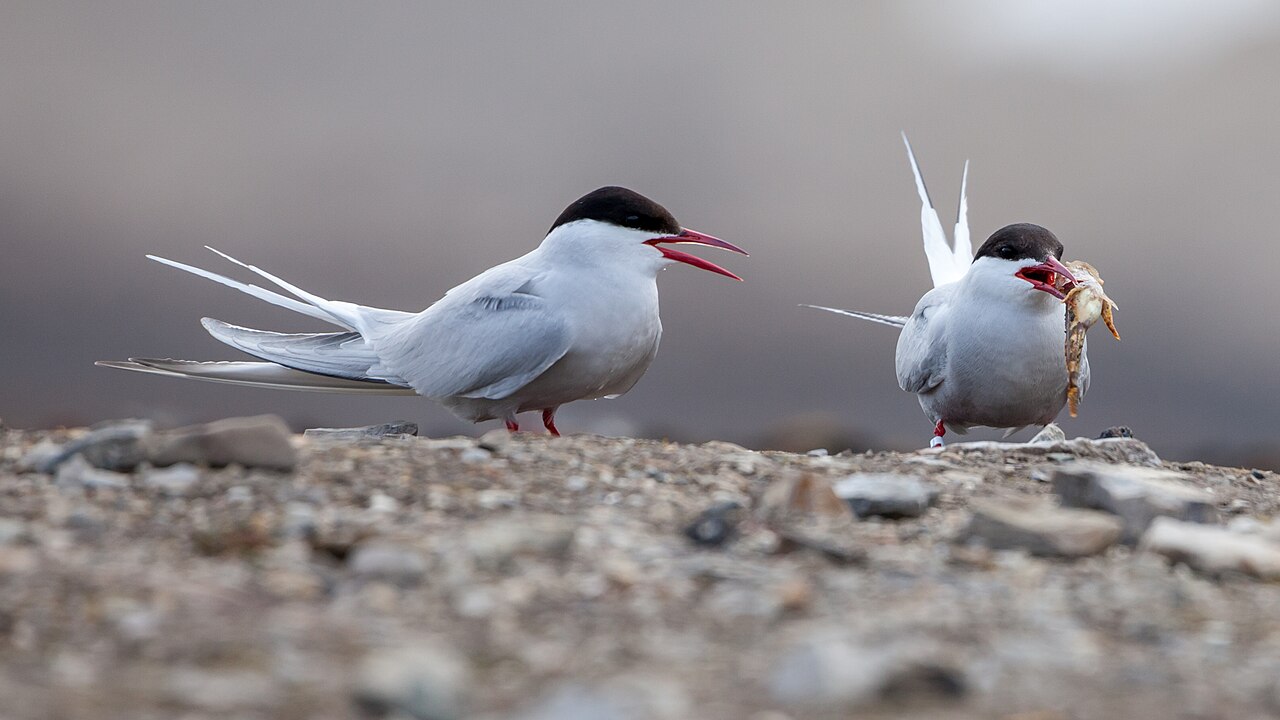
Sterna paradisaea
Summer visitorEasy
On Inner Farne they nest right beside the boardwalk and will dive at your head, so wear a soft hat (the National Trust says not a hard hat or cycle helmet, which can damage their beaks) and keep moving. On the mainland around 2,000 nest at the Long Nanny between Beadnell and High Newton, watched from the rangers' viewing platform from May to July.
Where: Farne Islands (boats from Seahouses), Beadnell Bay and the Long Nanny tern colony, Coquet Island (by boat from Amble)
Arctic terns fly between the UK and the Antarctic every year, and they are on the UK Red List because some colonies have been hit by fish shortages. Source ↗
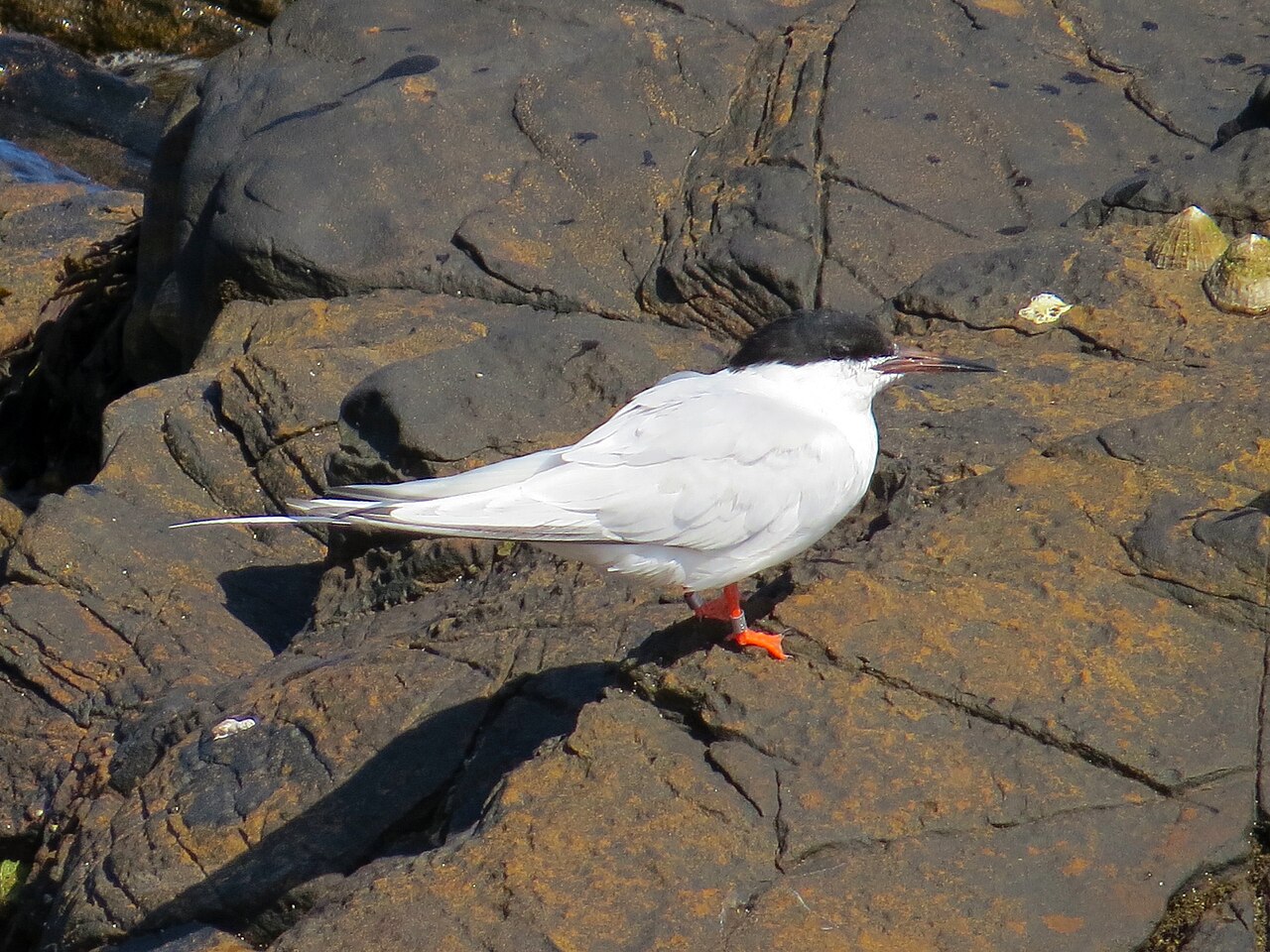
Sterna dougallii
Summer visitorLucky
Coquet Island has the only breeding roseate terns in the UK and it is closed to the public, so take the Puffin Cruises boat from Amble between late May and July and scan the nest terraces with binoculars for a very white tern with long tail streamers. Picking one out among the Sandwich and common terns takes patience; the RSPB's island cameras show them close up in the breeding season.
Where: Coquet Island (by boat from Amble)
One of the UK's rarest seabirds and Red listed; in summer adults have a pinkish tinge to the underparts, which gives them their name. Source ↗
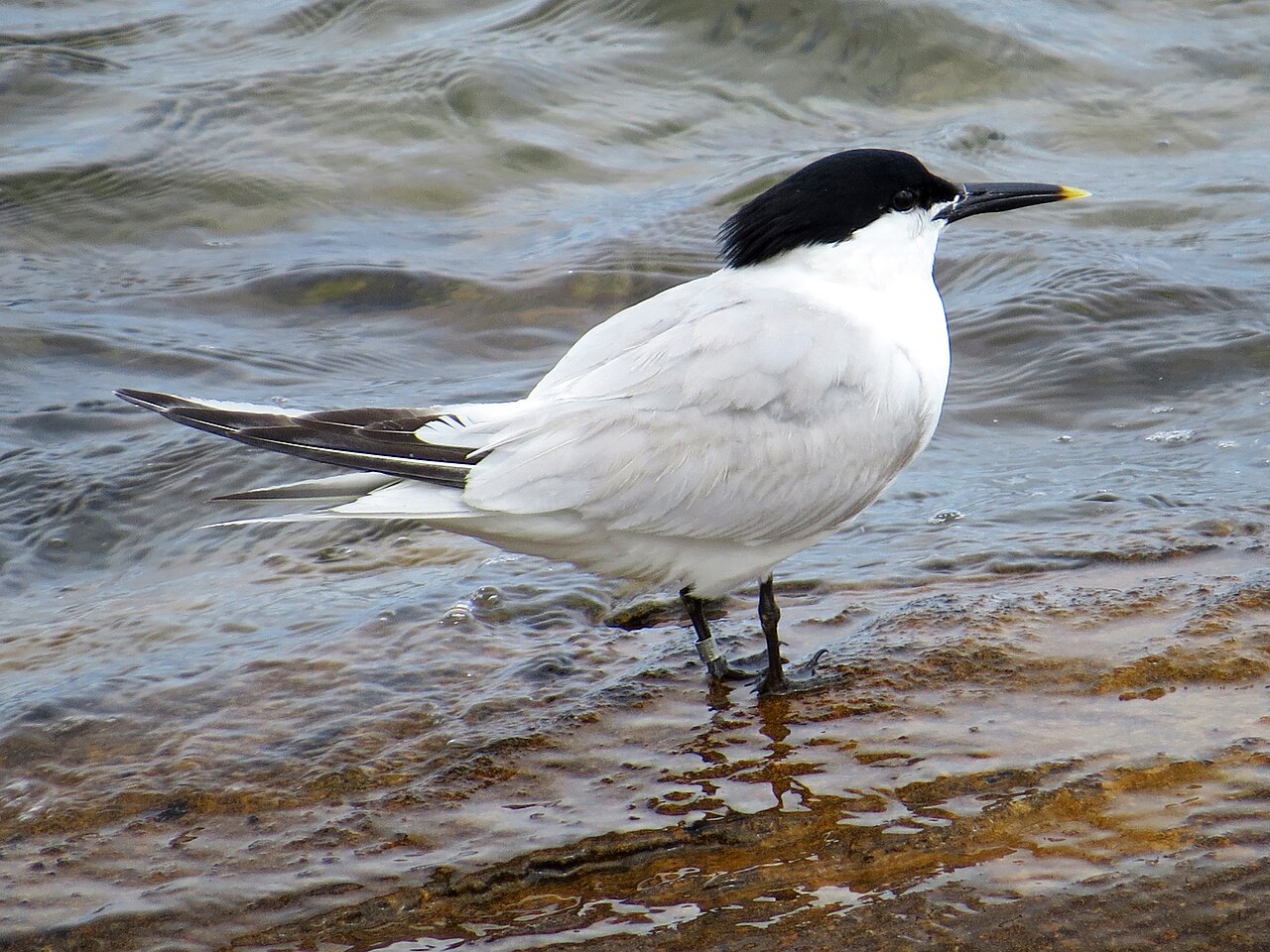
Thalasseus sandvicensis
Summer visitorEasy
The big pale tern with a shaggy black crest and a black bill with a yellow tip, and the loudest, most grating call on the boat. Both Coquet Island and the Farnes hold large colonies, seen from the Amble and Seahouses boats from late April.
Where: Coquet Island (by boat from Amble), Farne Islands (boats from Seahouses)
Coquet Island had a record 2,282 Sandwich tern nests in 2025, according to the RSPB. Source ↗
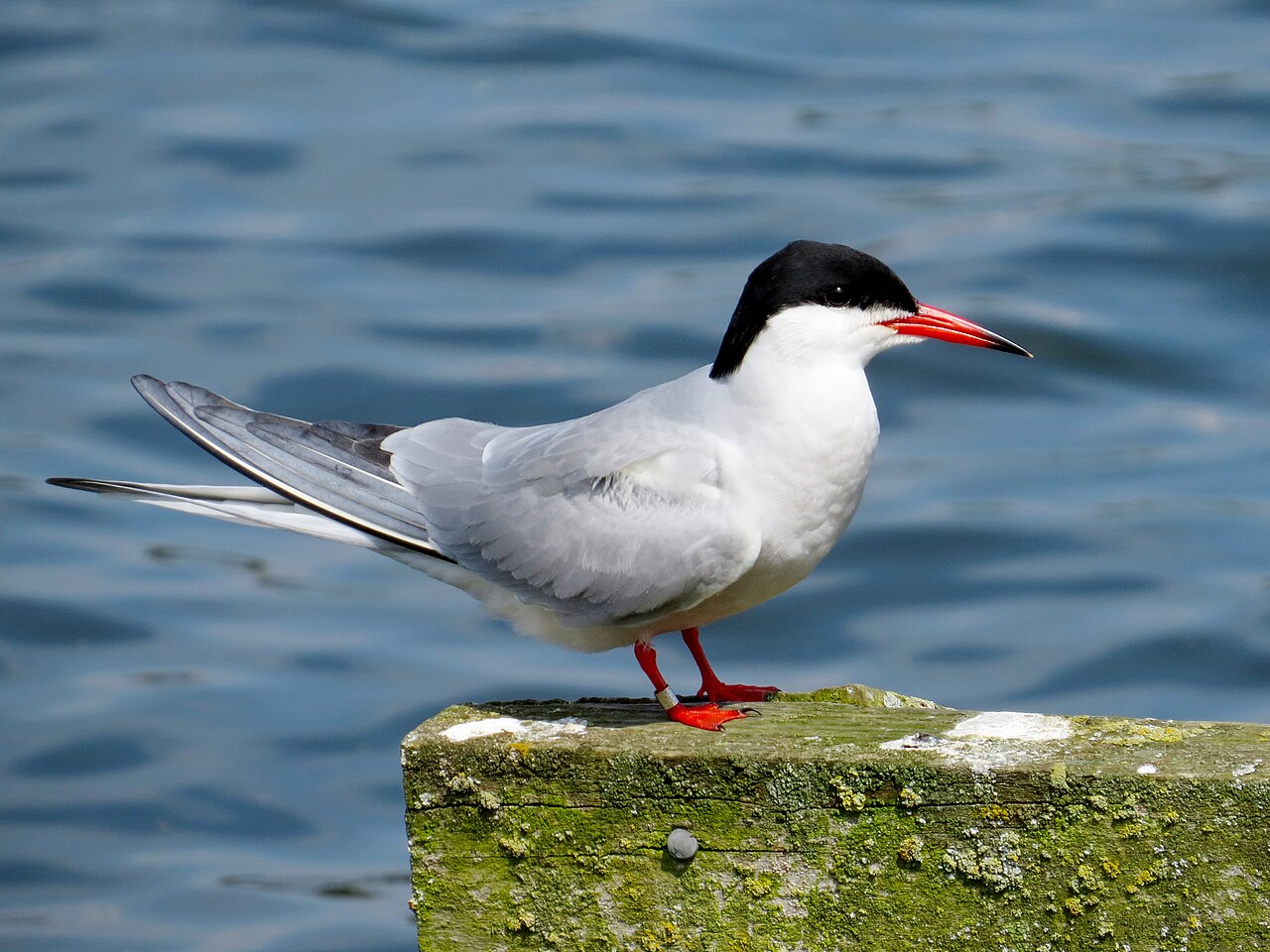
Sterna hirundo
Summer visitorFair chance
On Coquet Island, seen from the Amble boats, on the Farnes, and inland on the nesting rafts at the Whittle Dene reservoirs. Telling one from an Arctic tern is the classic test: the common tern's red bill has a dark tip and its legs are a bit longer.
Where: Coquet Island (by boat from Amble), Farne Islands (boats from Seahouses), Whittle Dene reservoirs
Coquet's common terns crashed with bird flu: 536 pairs in 2025, up from 353 in 2024 but still well short of the 1,875 pairs before the outbreak. Source ↗
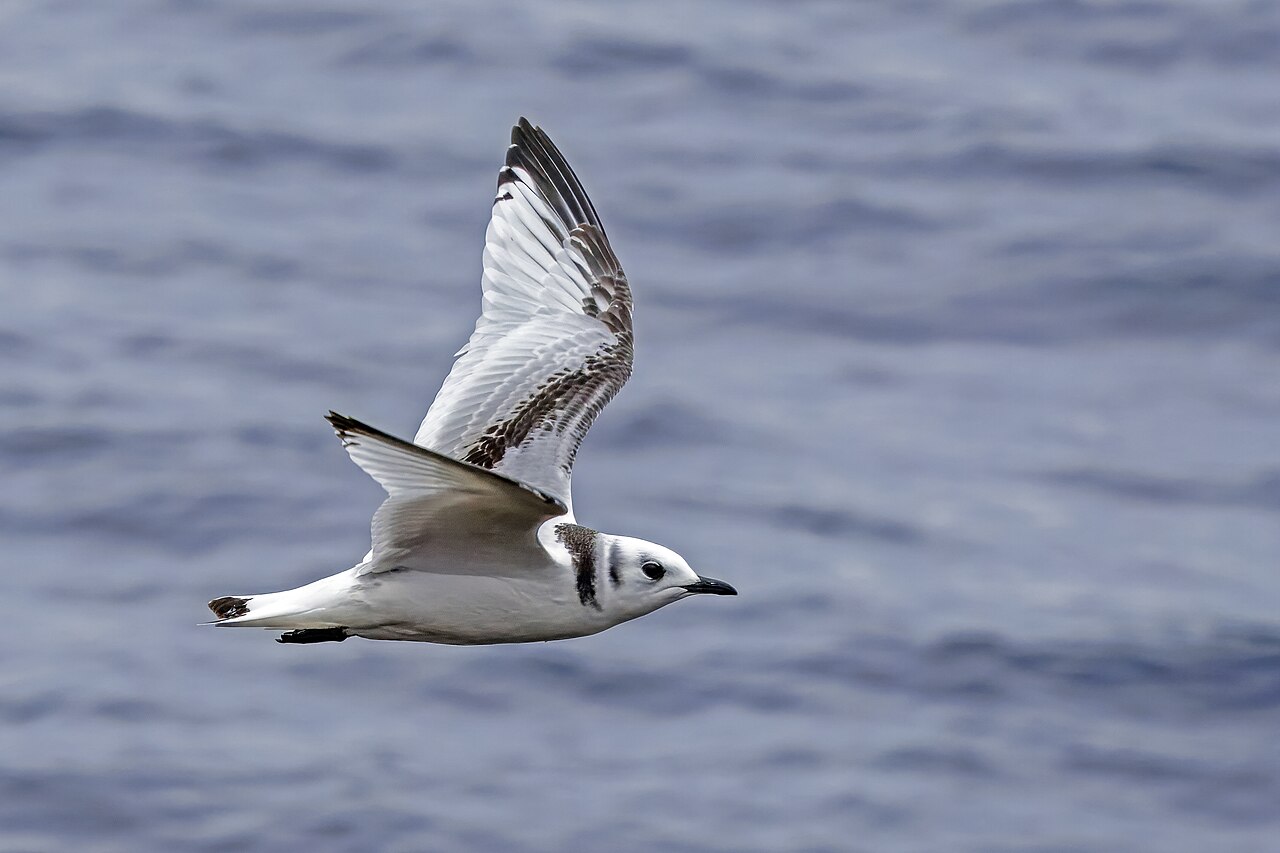
Rissa tridactyla
Summer visitorEasy
The small gull with ink-dipped wingtips and a call that says its own name, nesting on the Farnes cliffs and seen from the Seahouses boats in spring and summer. On the mainland, The Dipper's Nest says the cliffs at Castle Point by Dunstanburgh hold the county's largest mainland colony, over 500 pairs, a walk along the coast path from Craster.
Where: Farne Islands (boats from Seahouses), Coquet Island (by boat from Amble), Craster, the Arnold Reserve and Dunstanburgh
Kittiwakes are Red listed in the UK after serious declines, and the River Tyne holds the most inland urban breeding colonies in the world. Source ↗
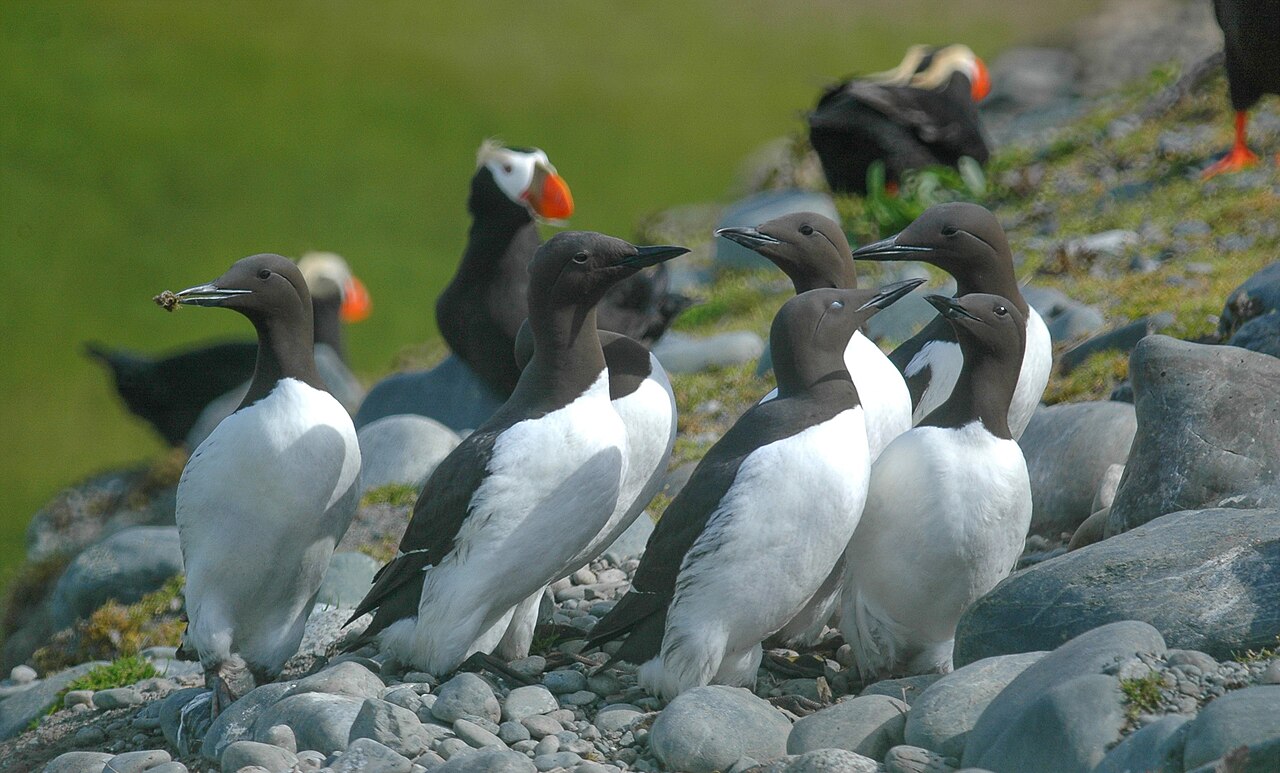
Uria aalge
Summer visitorEasy
Packed shoulder to shoulder on the Farnes ledges from April to July; the round the islands boat trips go close under them. Chocolate brown and white with a thin pointed bill.
Where: Farne Islands (boats from Seahouses)
Guillemots come to land only to nest and spend the rest of their lives at sea, where they are vulnerable to oil spills. Source ↗
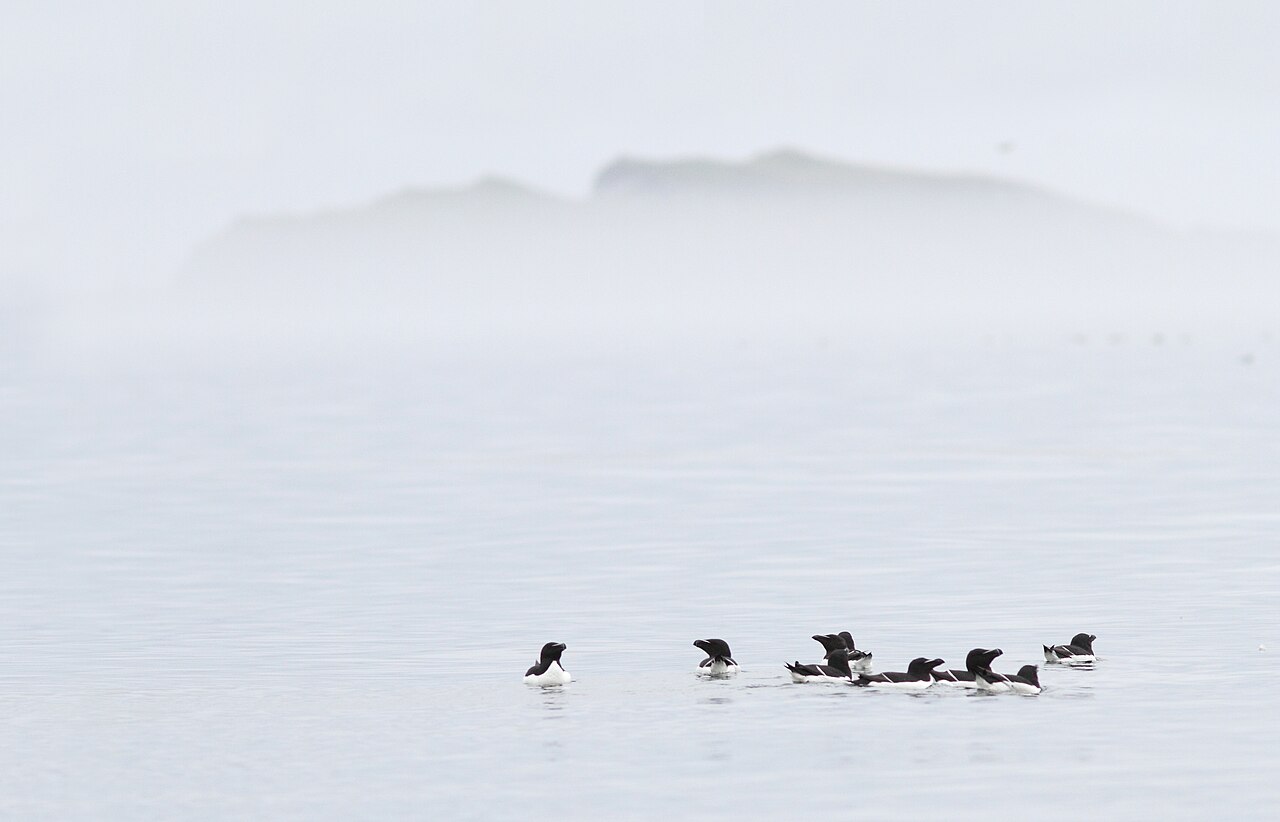
Alca torda
Summer visitorFair chance
Look among the guillemots on the Farnes for the blacker bird with a deep, blunt bill crossed by a white line; a few also use the cliffs by Dunstanburgh. On Coquet Island two razorbill chicks fledged for the first time in 2025.
Where: Farne Islands (boats from Seahouses), Coquet Island (by boat from Amble), Craster, the Arnold Reserve and Dunstanburgh
The RSPB separates it from the guillemot by its thick black beak that is deep and blunt, unlike the guillemot's thinner bill. Source ↗
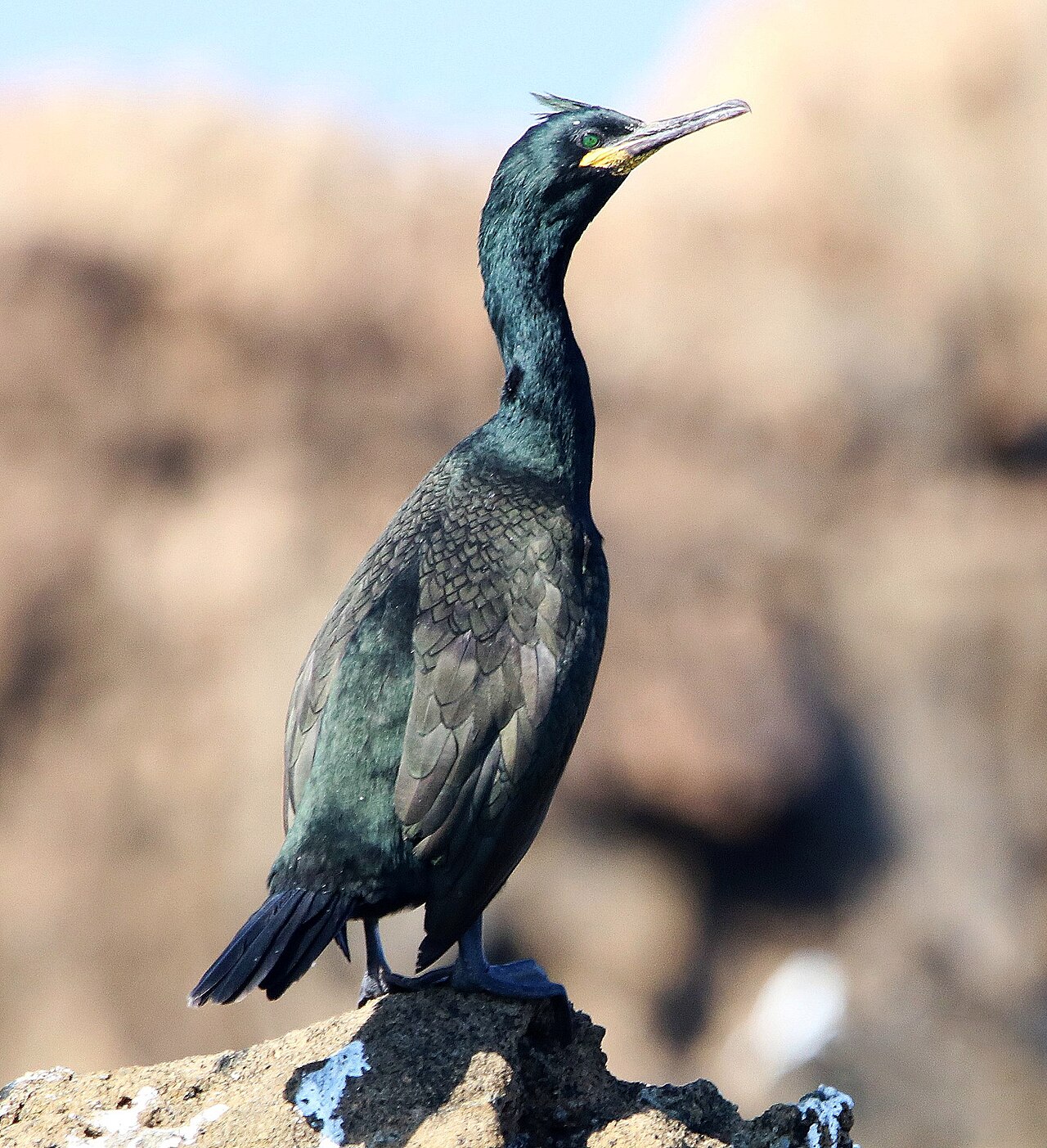
Gulosus aristotelis
ResidentEasy
On the Farnes shags nest in the open on the rocks, often close to where the boats go past, glossy green in spring with a forward curling crest. Smaller and slimmer than a cormorant, with a steep forehead.
Where: Farne Islands (boats from Seahouses), Craster, the Arnold Reserve and Dunstanburgh
More than half of the UK's shags are found at fewer than ten sites, which is why they are on the Red List. Source ↗
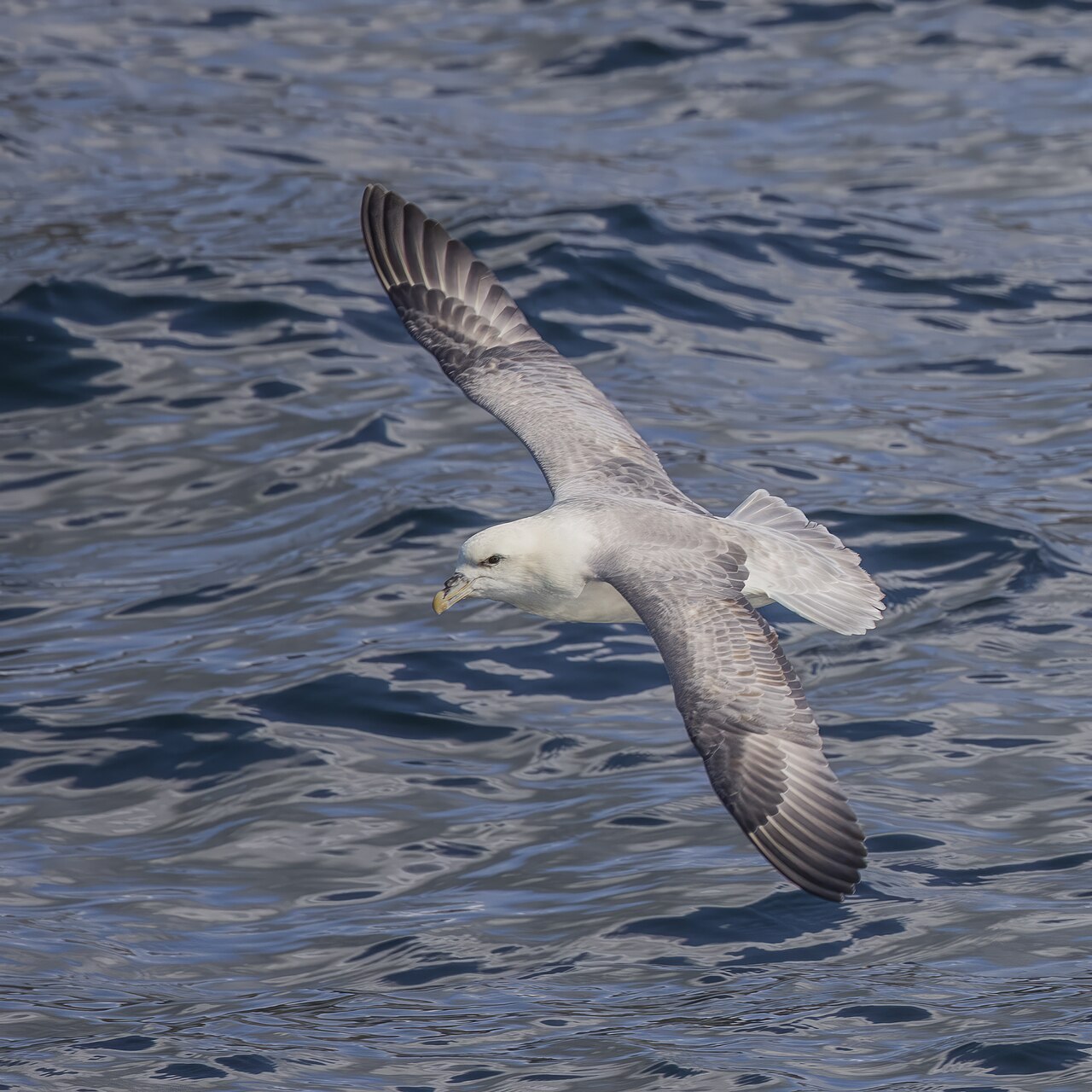
Fulmarus glacialis
Summer visitorFair chance
Stiff-winged and gull-like, gliding along cliff faces rather than flapping; look for the tube on top of the bill. The cliffs at Castle Point by Dunstanburgh are the easy mainland place, and they pass the rocks at Bamburgh.
Where: Craster, the Arnold Reserve and Dunstanburgh, Coquet Island (by boat from Amble), Bamburgh and Harkess Rocks (Stag Rocks)
Related to the albatrosses, fulmars spit a foul-smelling oil at any intruder at the nest, and North Atlantic numbers have expanded over the last 250 years. Source ↗
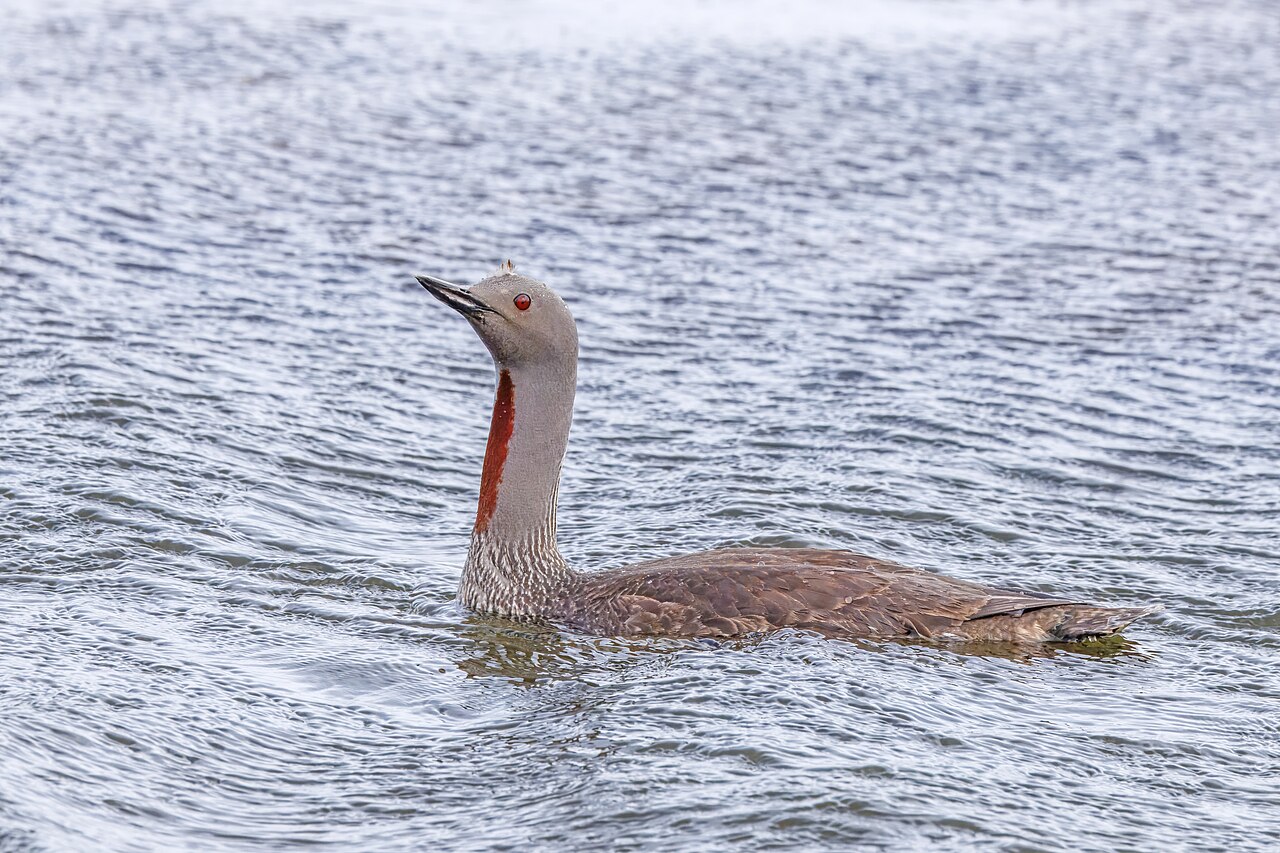
Gavia stellata
Winter visitorFair chance
A slim grey and white bird sitting low on the sea in winter, diving for long spells. Scan calm water off Bamburgh, Budle Bay near high tide and Berwick harbour from October to March; a telescope helps.
Where: Bamburgh and Harkess Rocks (Stag Rocks), The Tweed estuary at Berwick, Budle Bay, Lindisfarne NNR and Holy Island
The smallest of the UK's divers, told by its grey-brown plumage and up-tilted bill, and a Schedule 1 species under the Wildlife and Countryside Act. Source ↗
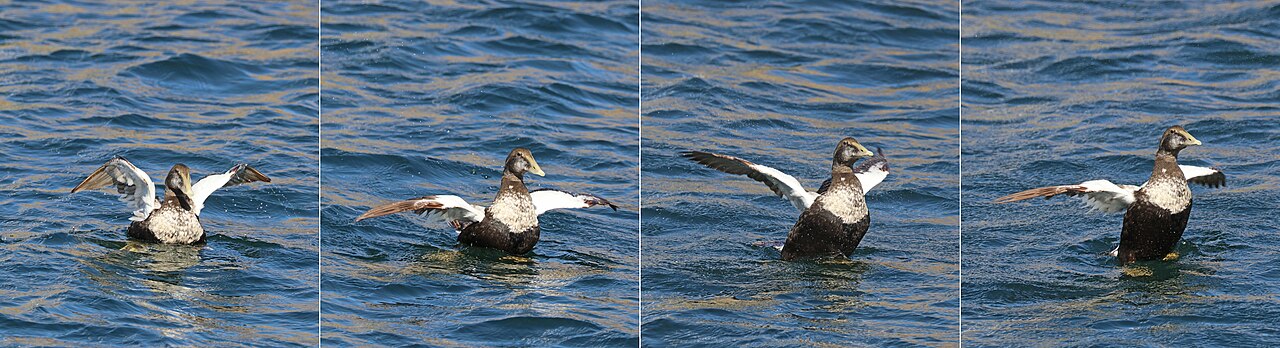
Somateria mollissima
ResidentEasy
The cuddy duck, Northumberland's own, on the sea along the whole coast all year. Males are white and black with a green wash on the neck and make a soft crooning call; females are brown and sit tight on nests on the Farnes and Coquet in early summer. Give rafts on the water at least 50 metres.
Where: Farne Islands (boats from Seahouses), Coquet Island (by boat from Amble), Seahouses harbour, Amble harbour and the Braid, Bamburgh and Harkess Rocks (Stag Rocks)
Called cuddy's duck after St Cuthbert, who lived as a hermit on Inner Farne and in 676 brought in protection for eiders and other seabirds, thought to be among the earliest bird protection laws anywhere. Source ↗
Yes, on Inner Farne, April to September. The National Trust landing fee is on top of the boat: in 2026 it was 17 pounds an adult and 8.50 pounds a child (5 to 17) in May to July, and 13 pounds and 6.50 pounds in April, August and September, with members free. Staple Island is currently closed, and no dogs on the islands.
Late October to January. Around 3,000 grey seal pups are born on the Farnes each autumn, according to the National Trust. Nobody lands in winter, so it's seal cruises from Seahouses, when the sea lets them sail.
The National Trust recommends booking the boat ahead, and in summer I would. Three operators sail from Seahouses (Billy Shiel's, Golden Gate and Serenity), the landing ticket comes from the Trust's trailer on the harbour, and the pay and display car parks fill up.
No. It's an RSPB sanctuary with no public access because it holds the UK's only breeding roseate terns (144 pairs in 2025). See it from Puffin Cruises boats out of Amble harbour, or on the RSPB's live cameras in the breeding season.
Monday 5 October 2026, 19:30
Jubilee Institute, Armstrong Hall, Rothbury
Thursday 8 October 2026
Coquet valley, just past Alwinton, Alwinton
Wednesday 14 October 2026, 11:00
Window on Wild Lindisfarne, Holy Island
Wednesday 14 October 2026, 13:30
Seahouses Hub, Seahouses
Sunday 18 October 2026, 09:45
Links Car Park (race HQ), Bamburgh
Monday 26 October 2026
Lindisfarne National Nature Reserve (Holy Island and Budle Bay), Holy Island
Sunday 8 November 2026, 10:00
Coquet valley, just past Alwinton, Alwinton
Saturday 26 December 2026
Beach House Hotel and Seahouses beach, Seahouses
Back to the overview
Where to go
The birds
Free, two short emails a week, and you choose which. Read the latest one first.
No spam, no ads. Unsubscribe from any email with one click. Privacy